Table of Contents
| Types of Fan: Quick Overview This article presents detailed information on 15+ of the best types of fans. We also explain their advantages and disadvantages separately. After reading this article, you will be able to choose the right fan for your home, office, etc. |
A fan is a device that moves air in a room or space.
Its rotating blades create continuous airflow, making people feel cool and comfortable. However, ordinary fans do not necessarily cool the room itself.
There are different types of fans, such as ceiling fans, portable fans, industrial fans, etc. Each type is designed to serve different purposes.
Fans are usually used in homes, offices, commercial spaces, and industrial settings. They are available in various sizes and styles to serve multiple requirements and preferences.
Fans generally cost less to purchase and operate than air conditioners. They improve air circulation and help people feel cool, making them a practical choice for a space where air conditioning is not available or necessary.
15+ Types of Fans With Images and Uses
| Name | Use |
|
Tower Fan | They are used to improve air circulation in bedrooms and offices. |
|
Pedestal Fans | They offer adjustable airflow, especially in homes and shops.
They are used for cooling where ceiling space is limited. |
|
Table Fan or Desk Fan | They provide you with direct airflow at your table or sitting area.
They are used to circulate air and cool down the temperature. |
|
Exhaust Fans | They are used to remove stale, muggy, or dirty air and unwanted smells. |
|
Bladeless Fan | They are commonly used in homes and offices to circulate air using an internal fan mechanism without exposed blades. |
|
Wall-Mounted Fans | Used to keep the air circulating well throughout the room without occupying floor space. |
|
Ceiling Fans | Circulate the air throughout a room. |
|
AC Motor Fans | Commonly, they are used in households as ventilation fans operated by AC motors. |
|
DC Motor Fans | They are energy-saving, and consume less electricity in compared to AC motor fans. |
|
Misting Fans | They are used to provide cooling in outdoor spaces, especially in hot, dry conditions. |
|
Industrial fans | Used for ventilation, cooling, air-cleaning, and drying in industrial spaces. |
|
Portable Fan | It is generally used when we are travelling, working, or spending most of the time outdoors. |
|
Whole-house Fan | It removes warm indoor air and draws in cool outdoor air when the outdoor condition is suitable. |
|
Centrifugal Fan | They are used for moving air through a duct, ventilation system in residential, commercial and industrial buildings. |
|
Floor Fan | They are used for cooling where ceiling space is limited. |
|
Variable Pitch Fan | They are used in industrial applications, such as adjusting airflow in industrial systems. |
Types of Fans:
1. Tower Fan
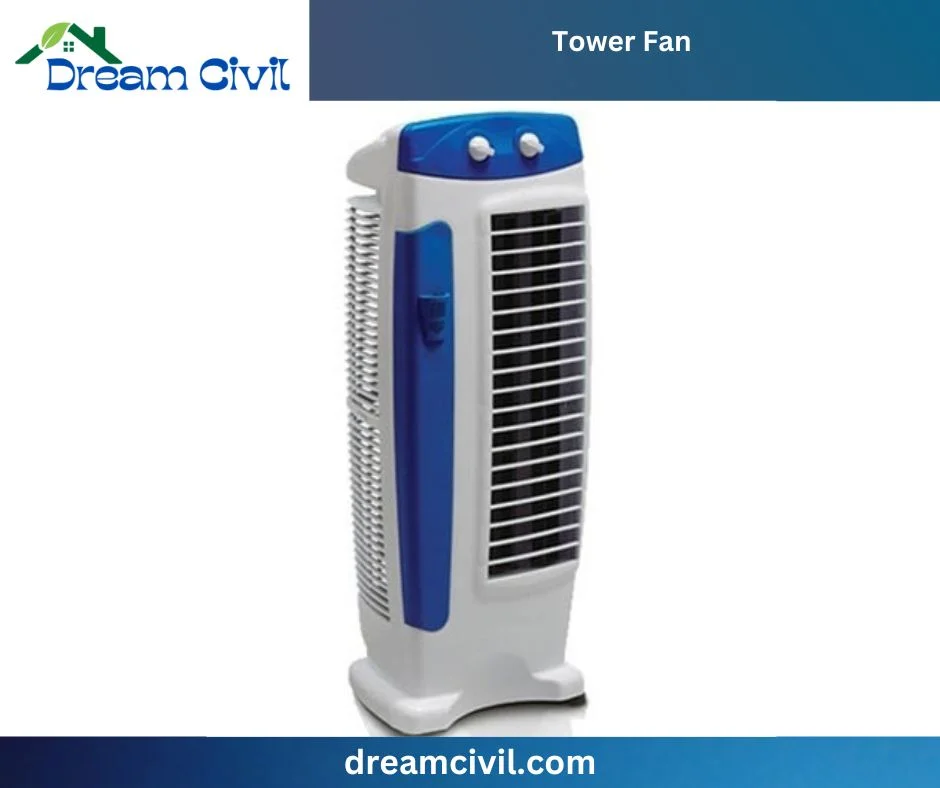
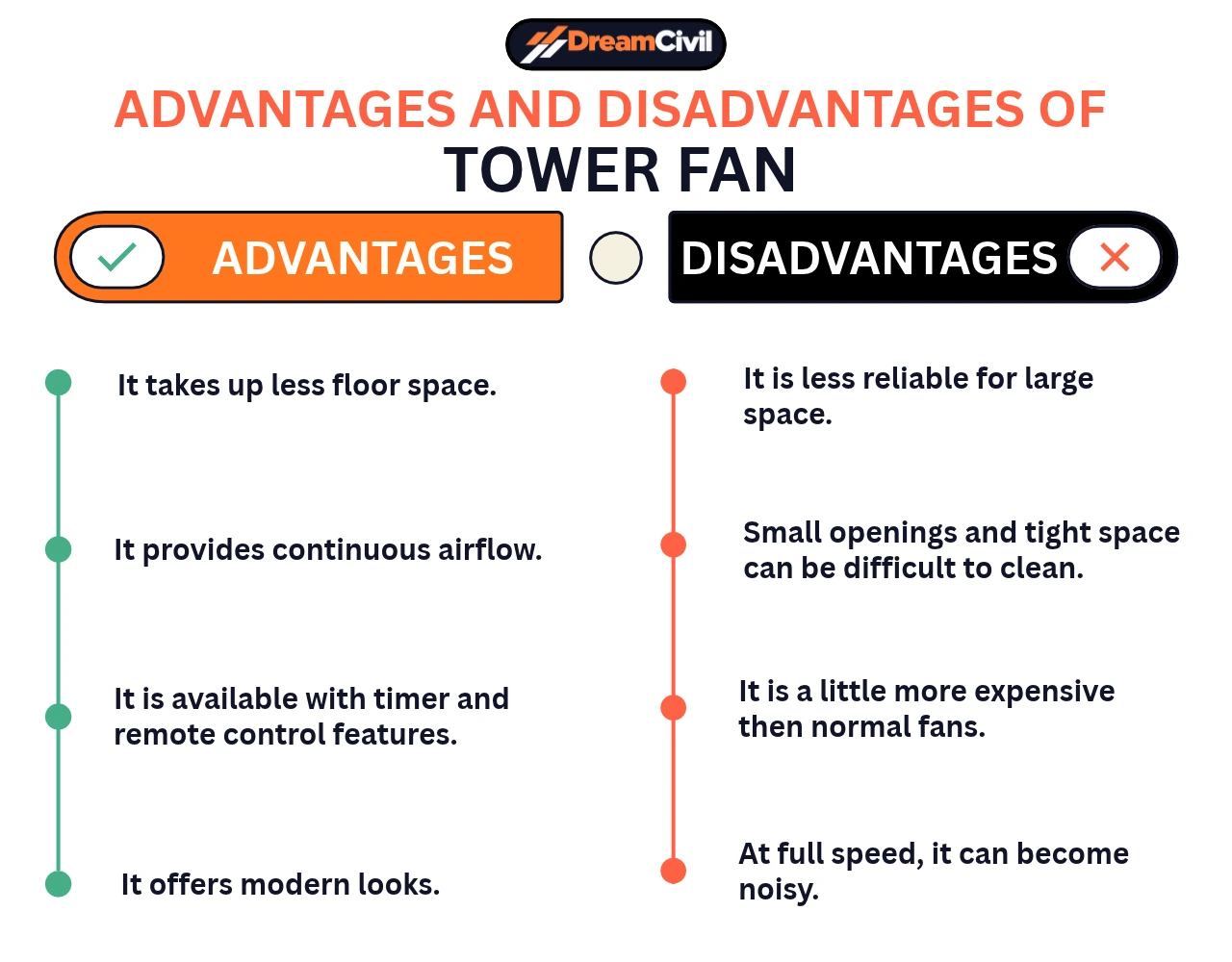
It is tall and has a slim design that occupy less floor space.
The air is distributed vertically and is commonly preferred for bedrooms, living rooms and offices.
This type of fan often includes features like timer, remote control, and oscillation.
2. Pedestal Fan
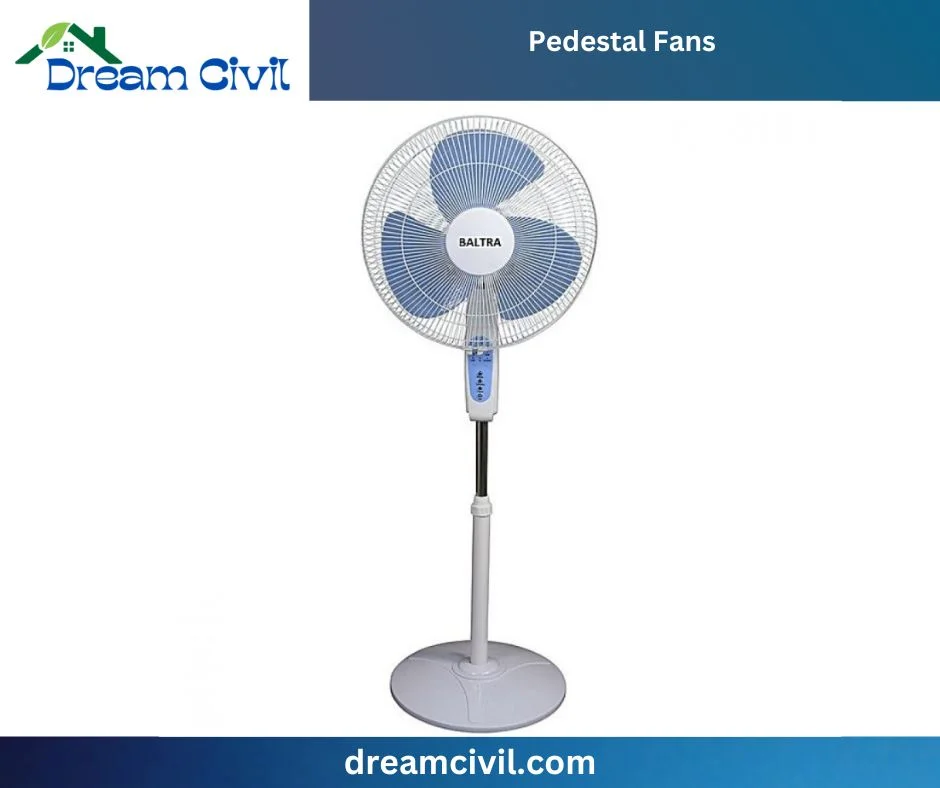
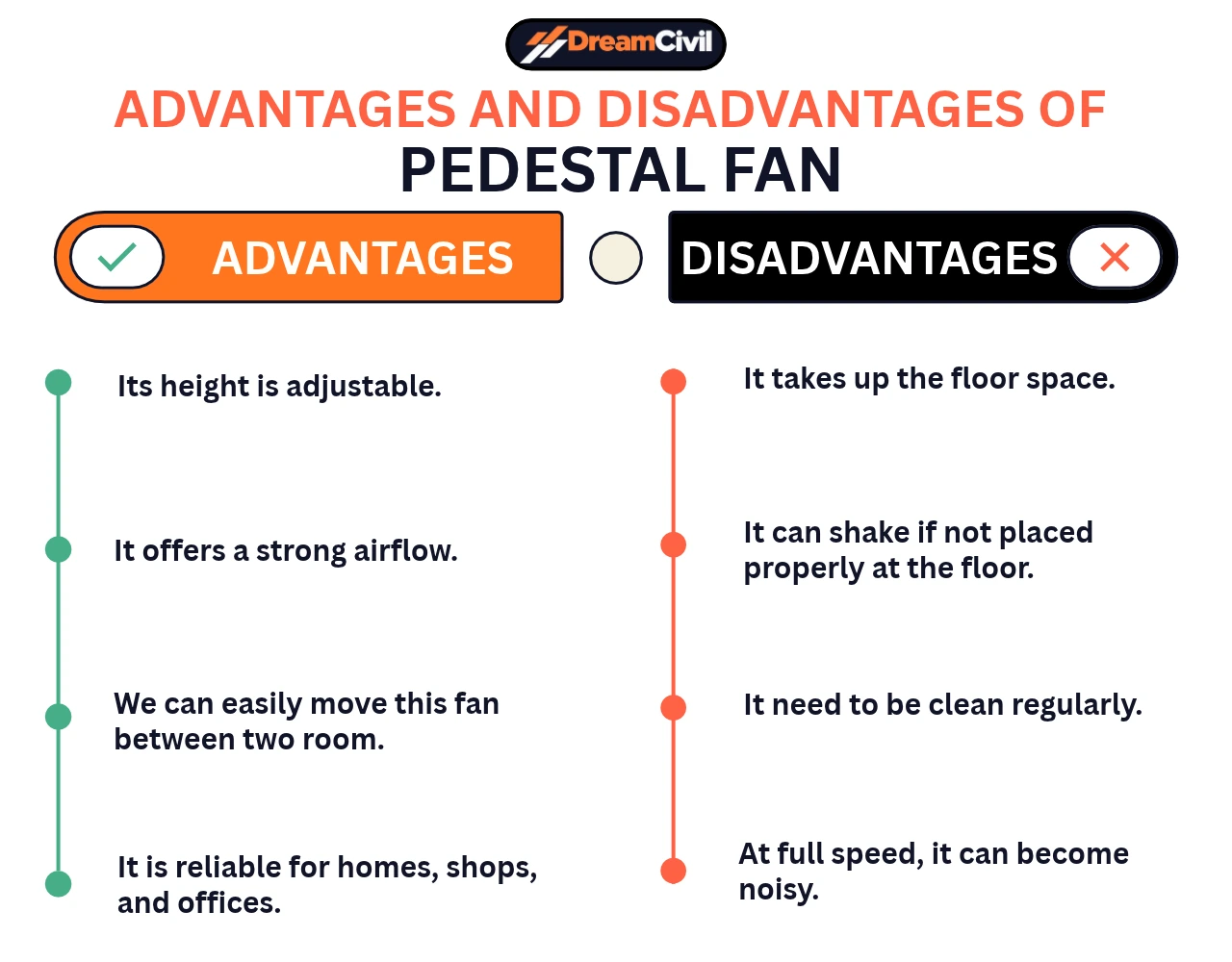
It’s height is stable, and it has a single stand.
It offers a strong airflow over a wider space.
Generally, you can find this type of fan is being used mostly in homes, shops, and offices.
3. Table Fan or Desk Fan
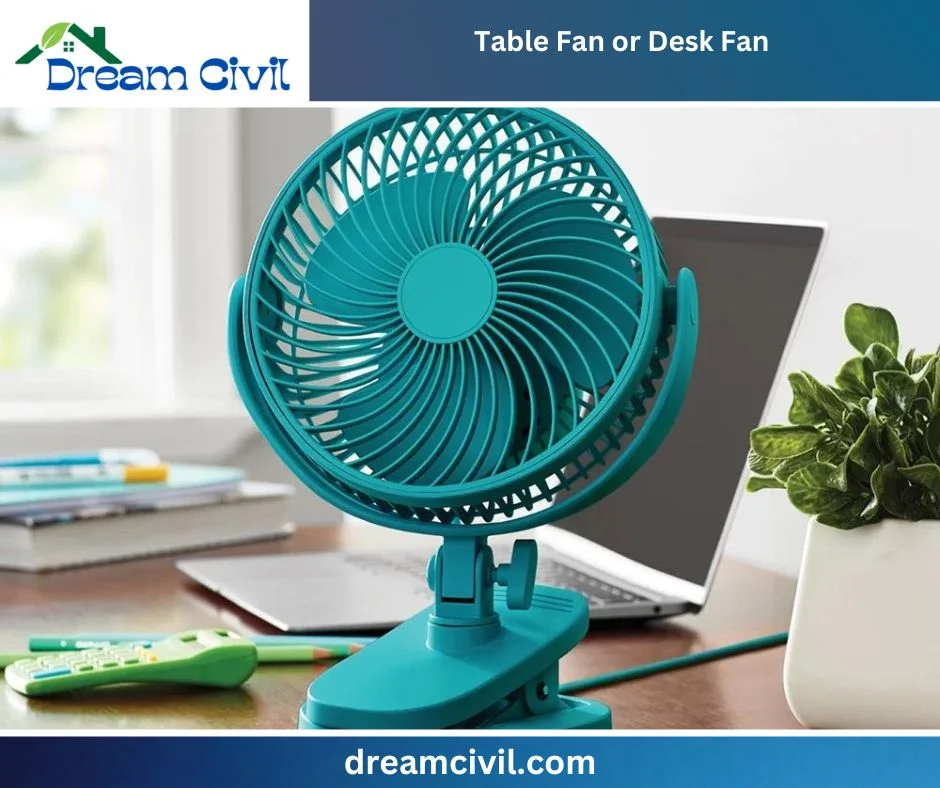
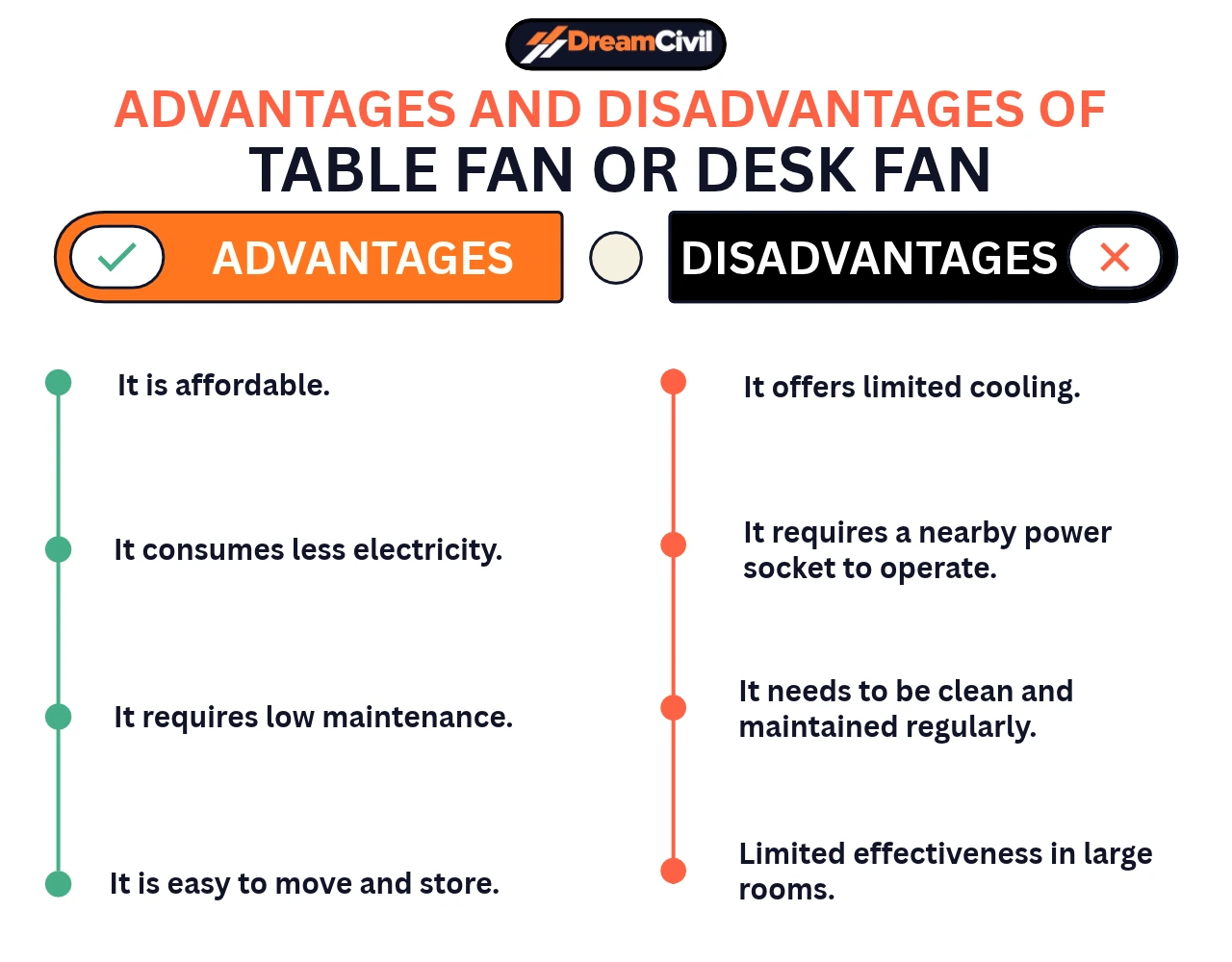
You can easily recognize it from its name, as it is available with a compact design, especially for desks and tables.
The strong airflow offers you a cooling environment.
Normally, it is suitable for a study room, bedroom, etc.
4. Exhaust Fans
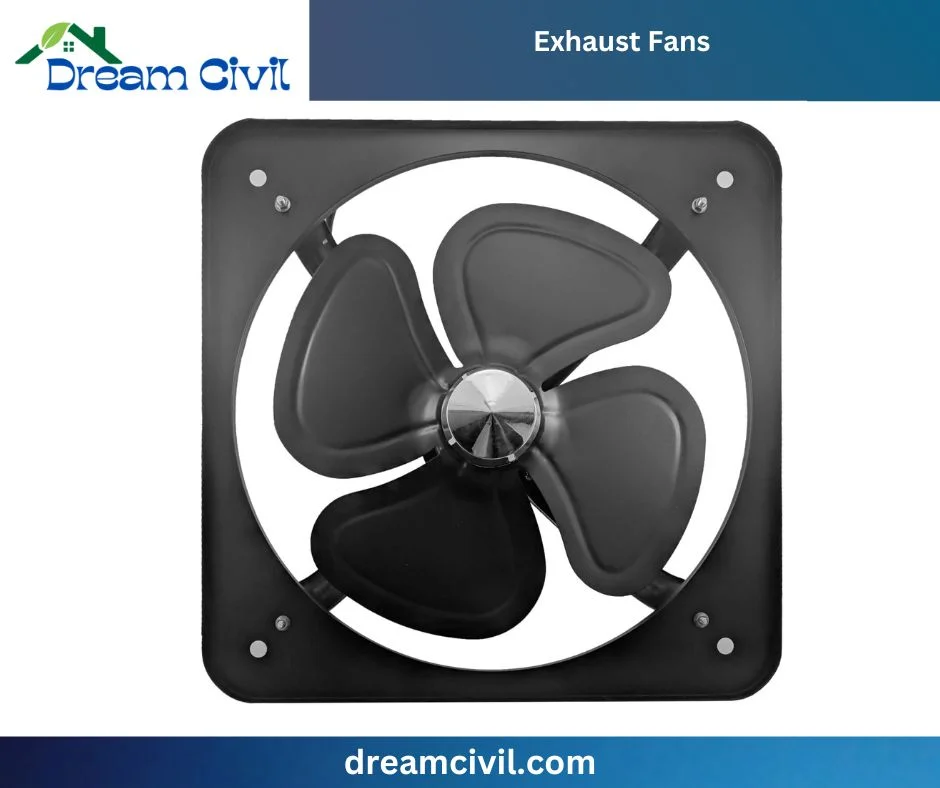
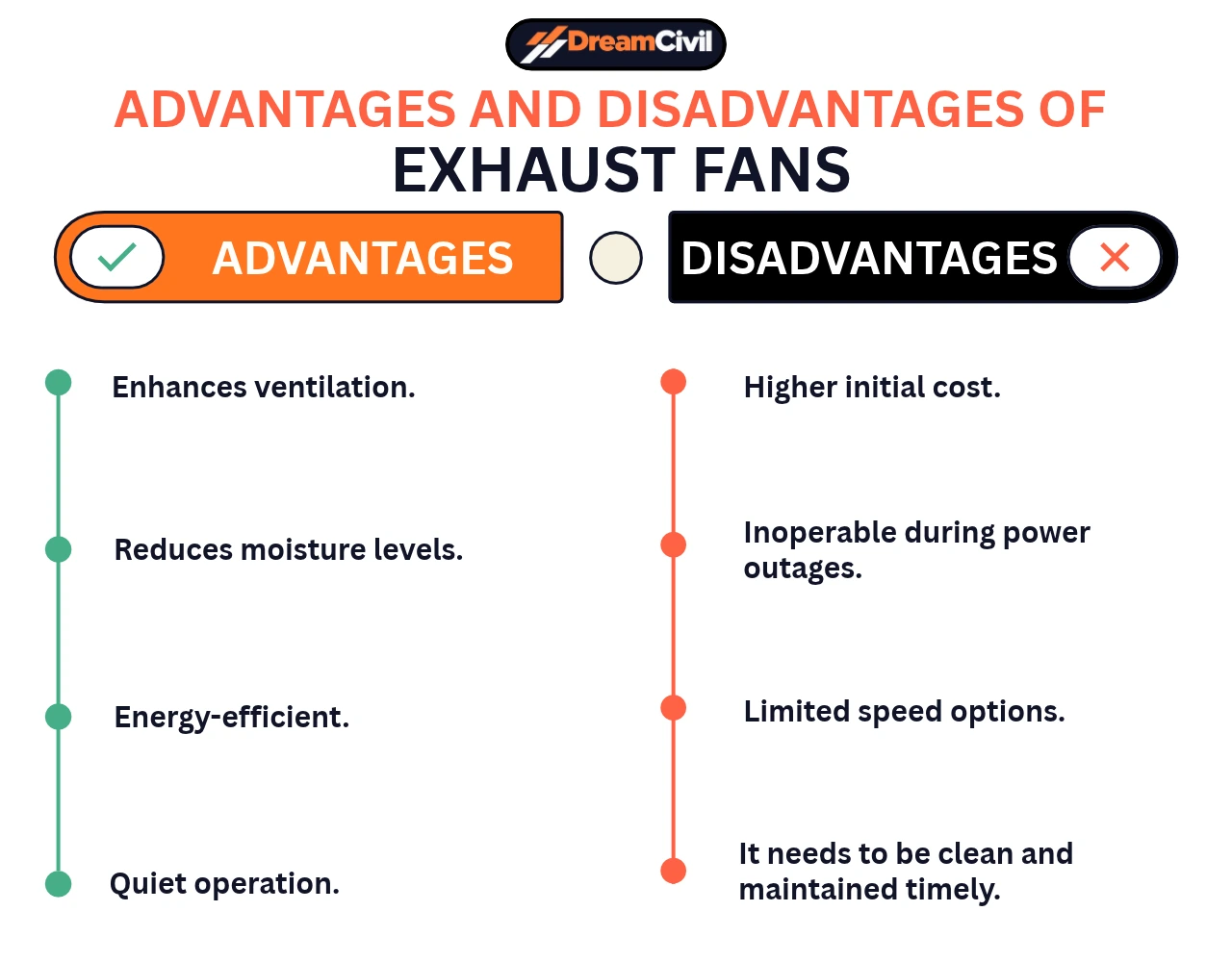
It especially removes stale, moisture, and unwanted smells from indoor space.
It is operated by pushing the indoor air outside from wall, window, or duct.
These fans are used commonly in kitchens and bathrooms.
5. Bladeless Fan
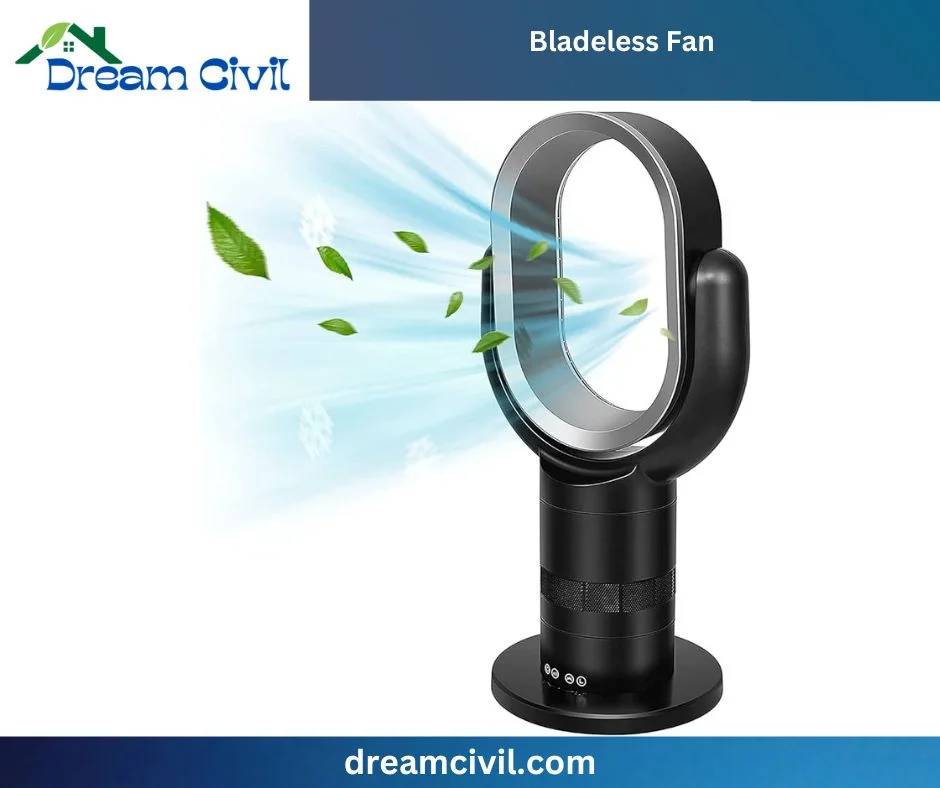
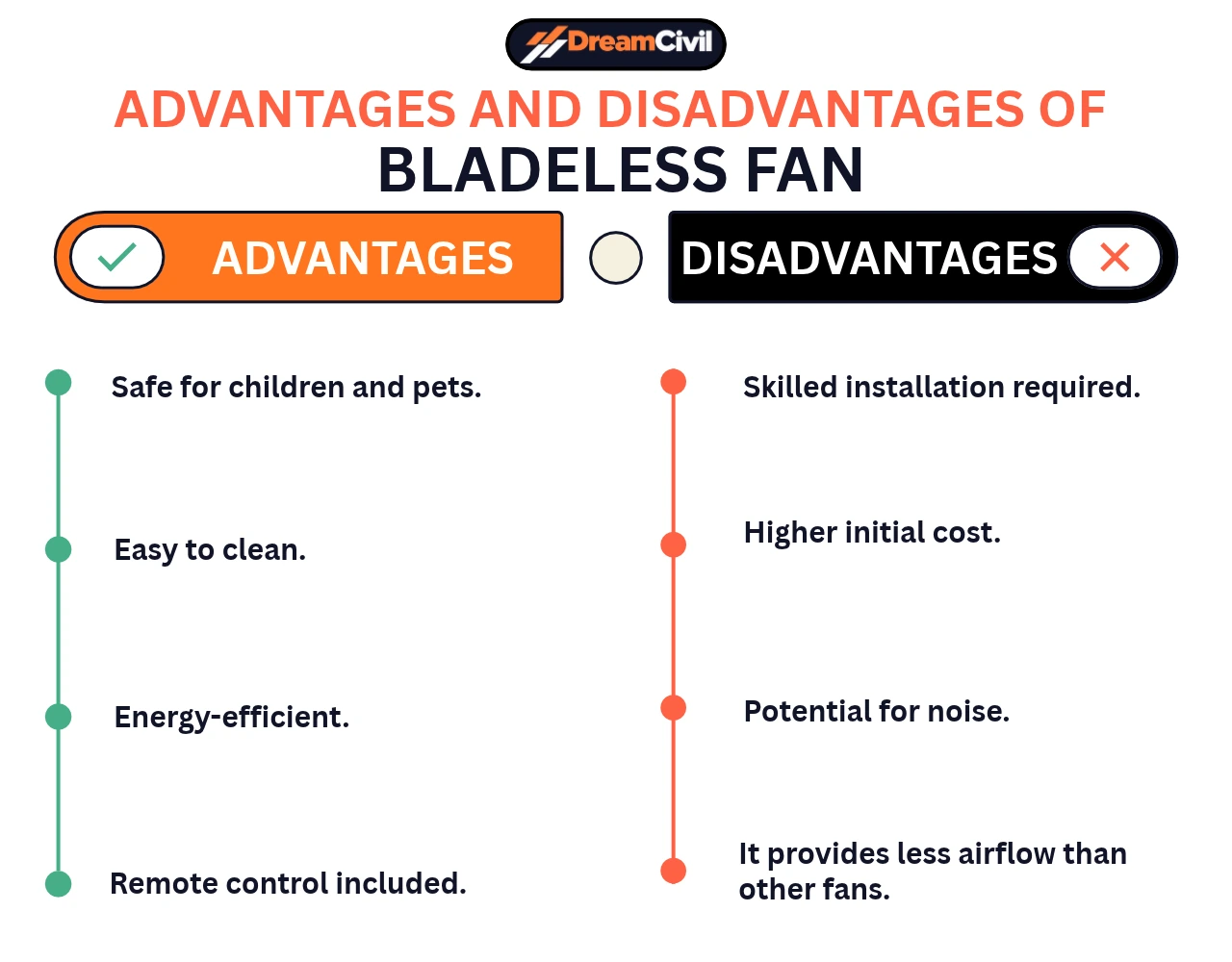
It’s design is modern as there are no spinning blades but it circulates the indoor air; quite different than other type of fans.
It releases the air through a specially designed openings.
It offers modern look and is easy to clean.
6. Wall-Mounted Fan
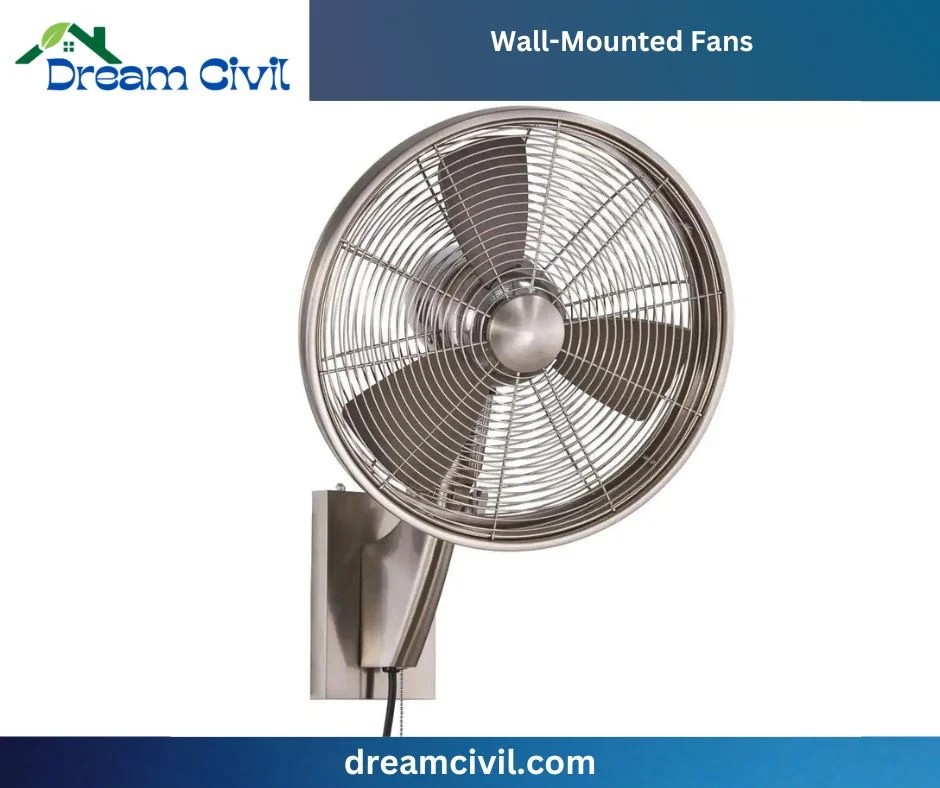
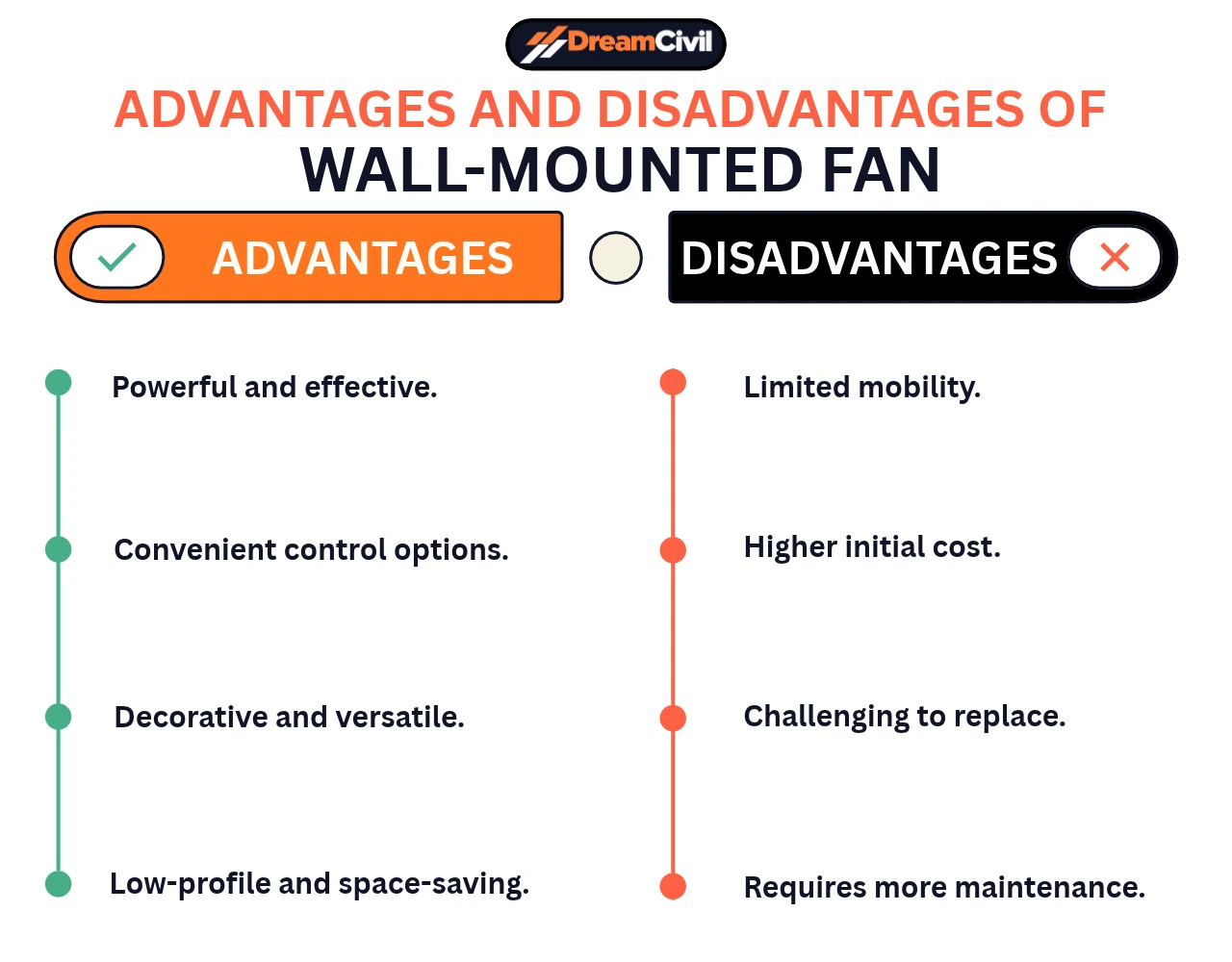
It is fixed on the wall, i.e., savin floor space.
Across the room it provides direct airflow.
It is reliable and is commonly used in shop, kitchen, and offices.
7. Ceiling Fan

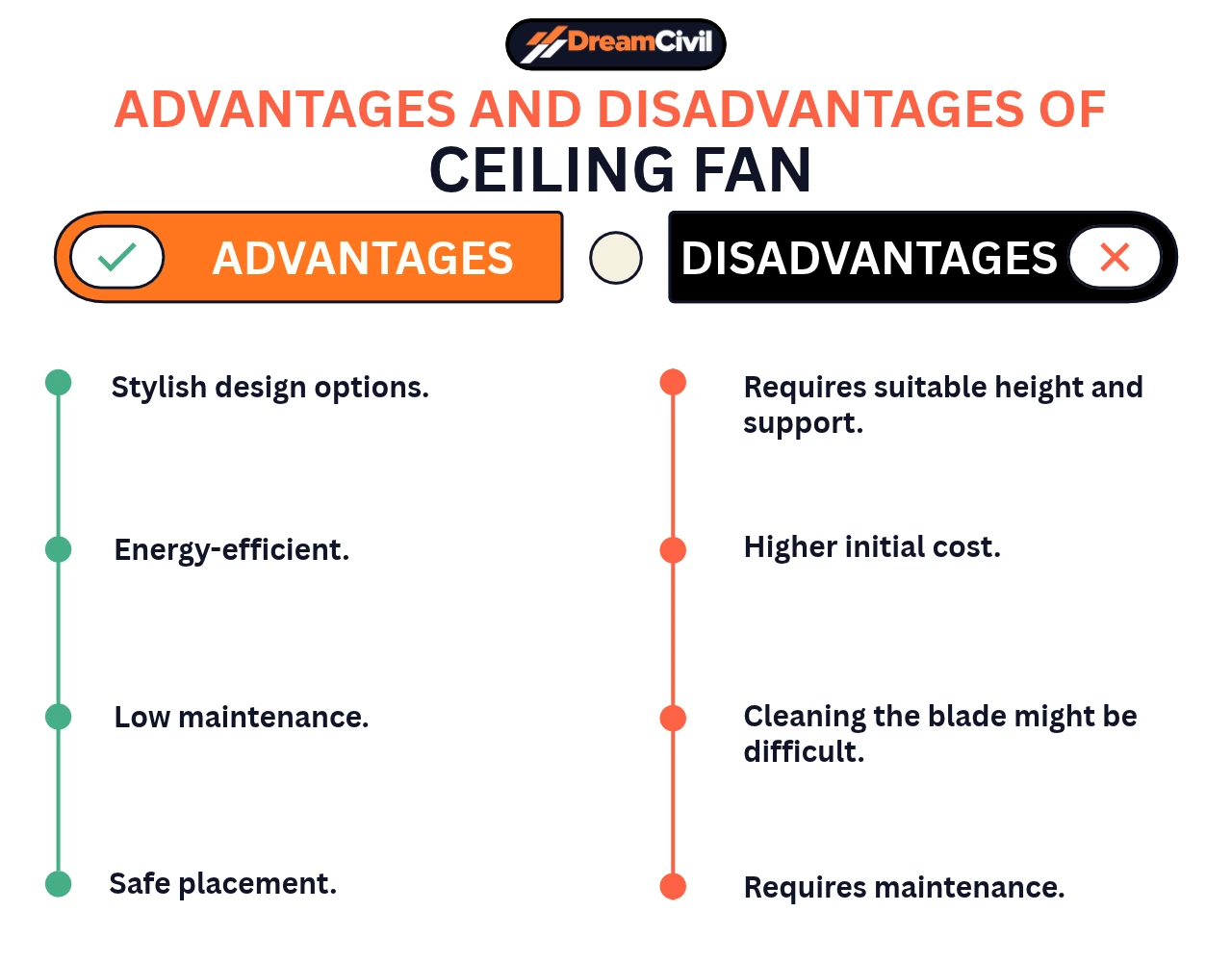
It is installed in ceiling and is mostly preferred fan as it provides circulation to the room.
You can adjust the speed of fan according to your preference from the speed button.
In some model there reverse rotation is installed, which helps circulate warm air collected near the ceiling during winter.1
8. AC Motor Fans

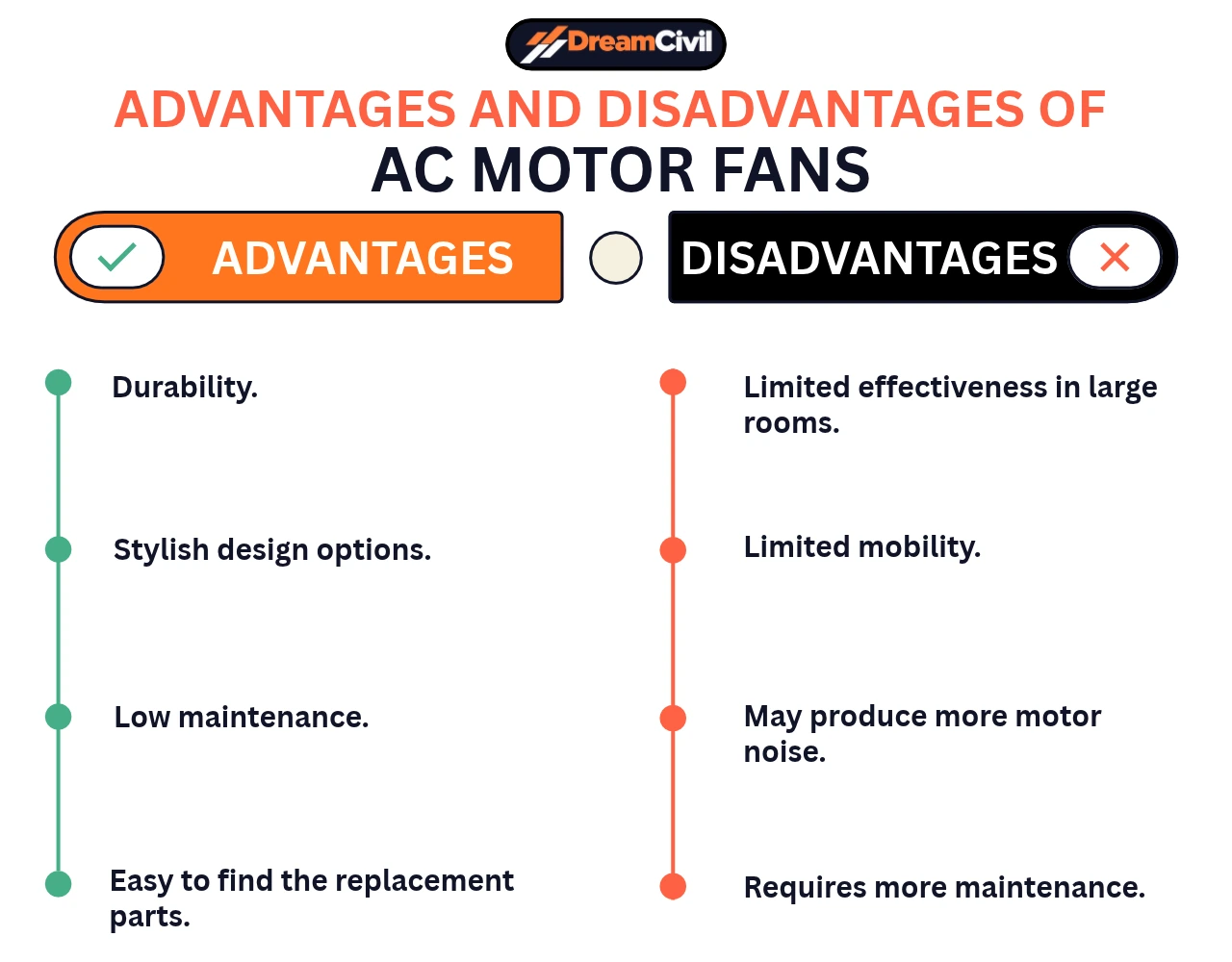
This fan uses an Alternating Current (AC Motor).
If you visit the local market it is available in ceiling, table and pedestal design.
It is widely used in homes and offices.
9. DC Motor Fans
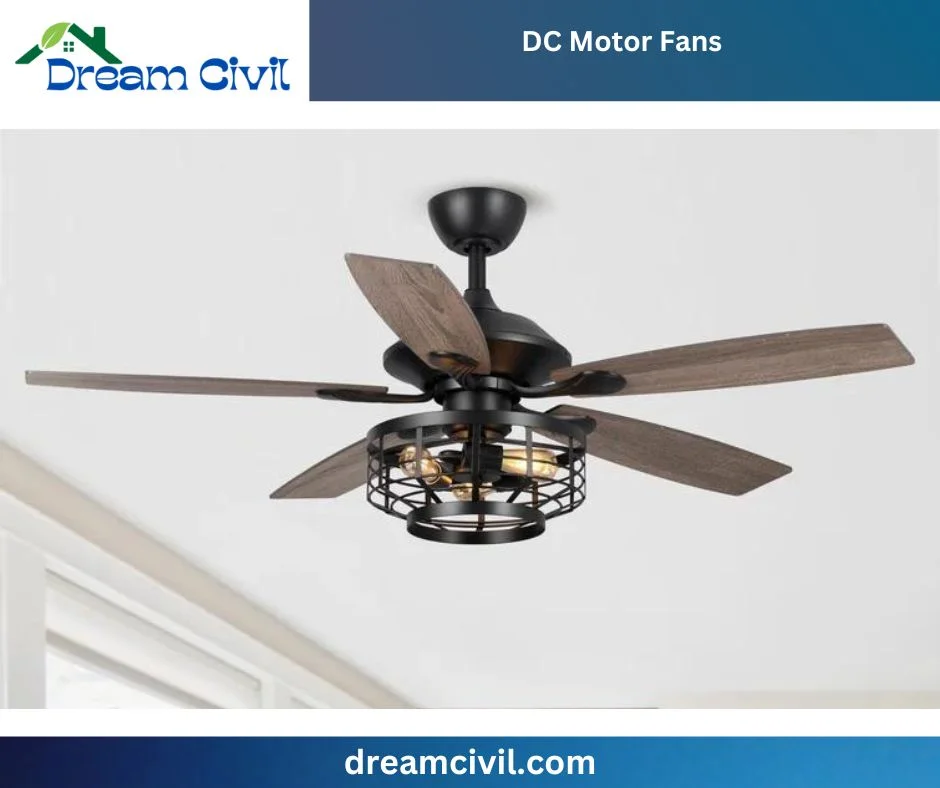
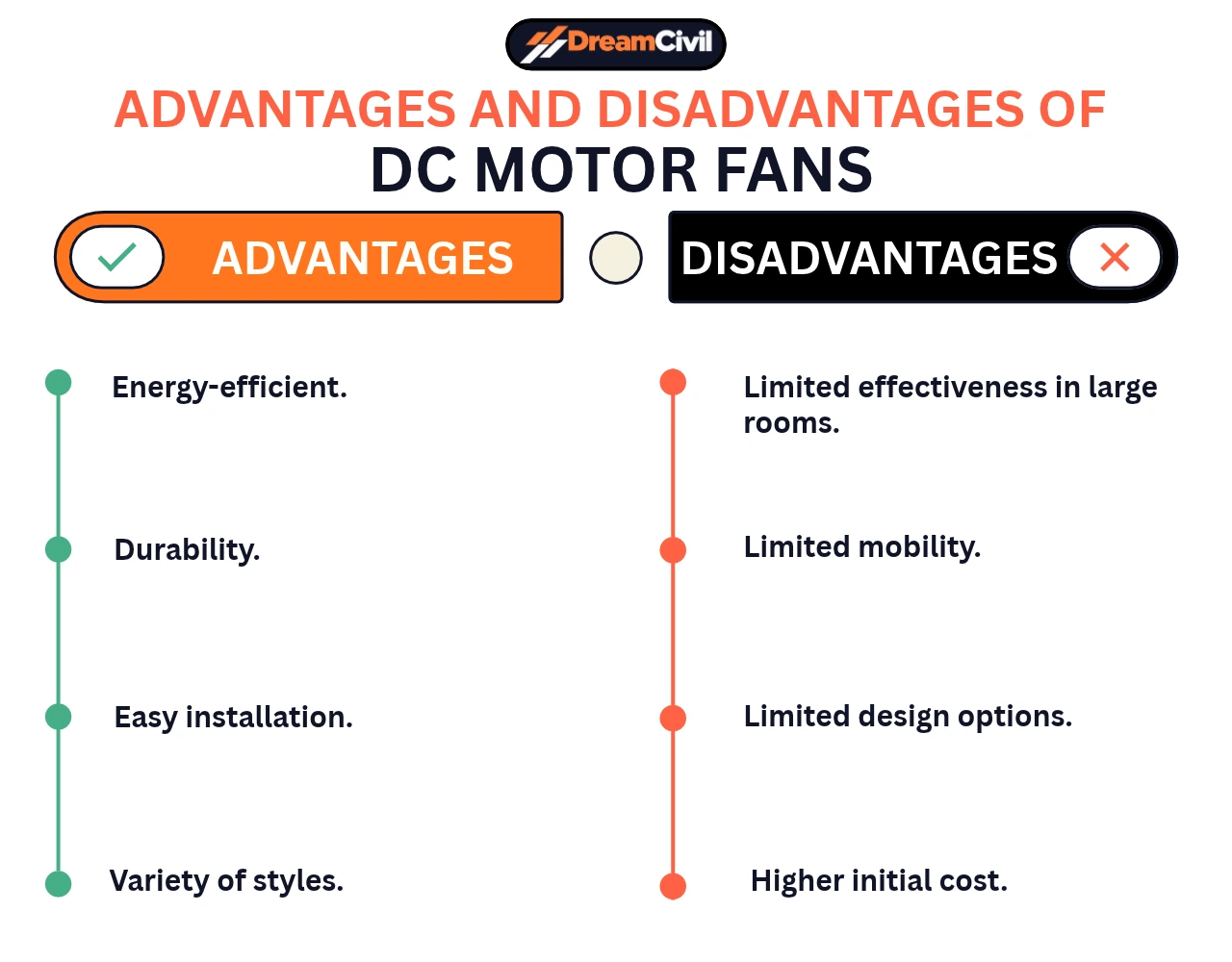
This fan uses an Direct Current (DC Motor).
It consumes low amount of energy than Ac motor fans.
In some of its models, there are multiple speed options and a reverse rotation option too.
10. Misting Fan
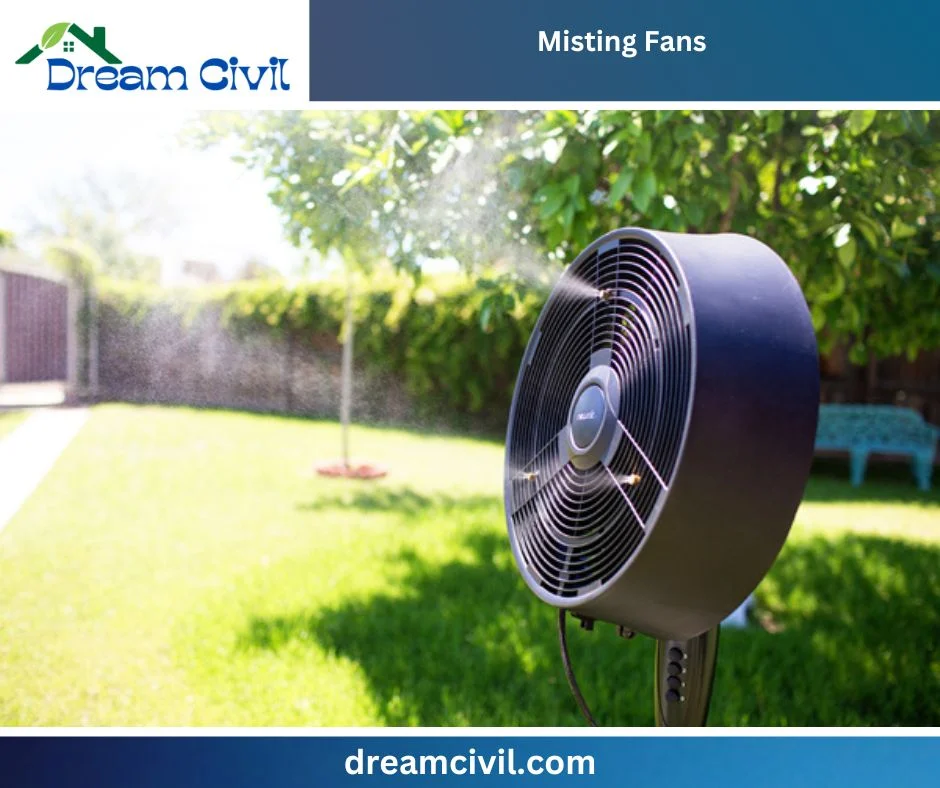
This fan comes with the nozzle system that sprays water to the airflow.
When these water droplets evaporate in the environment you will feel cool.
As you can see, these fans are commonly used in open spaces, patios, and outdoor areas.
11. Industrial Fan

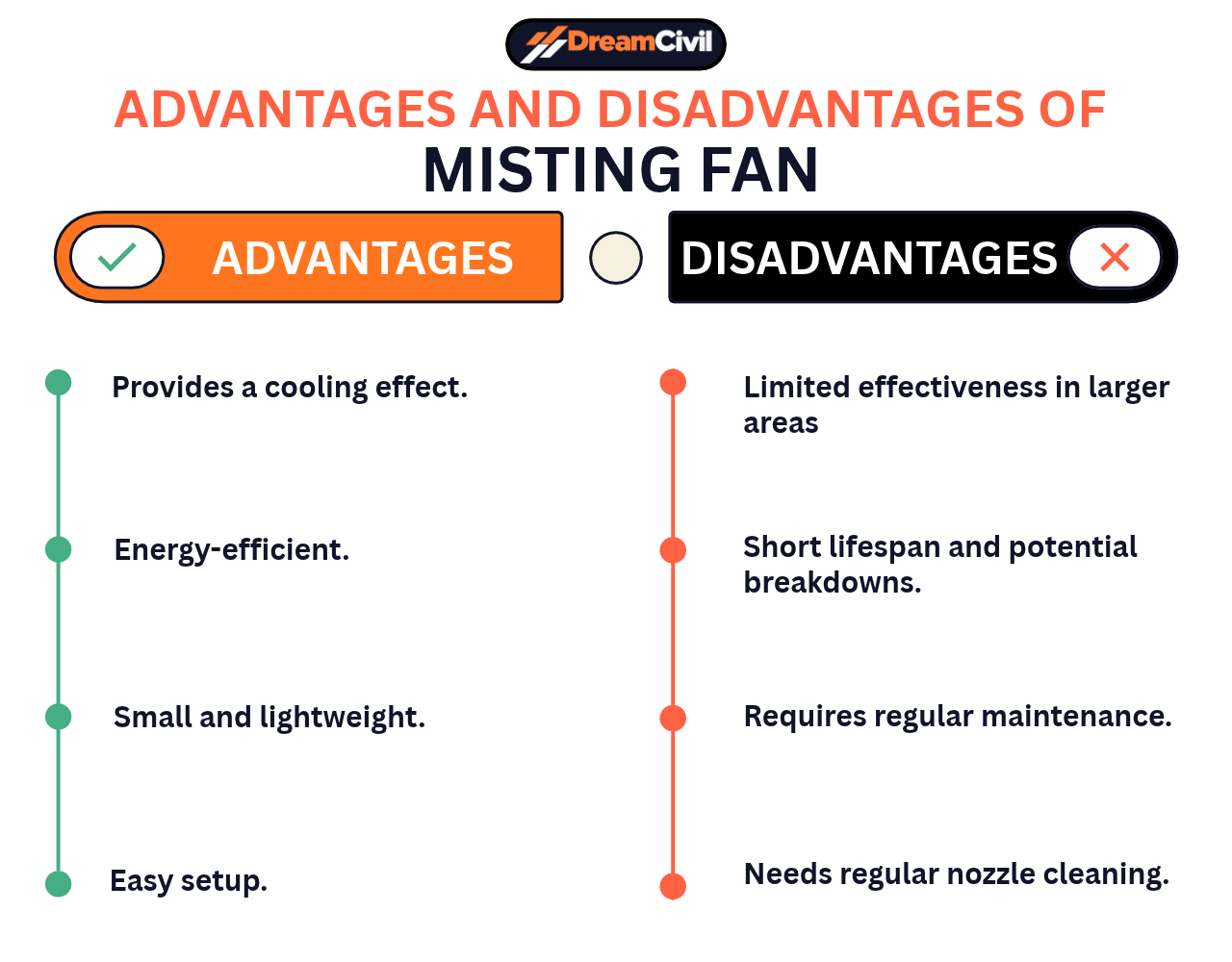
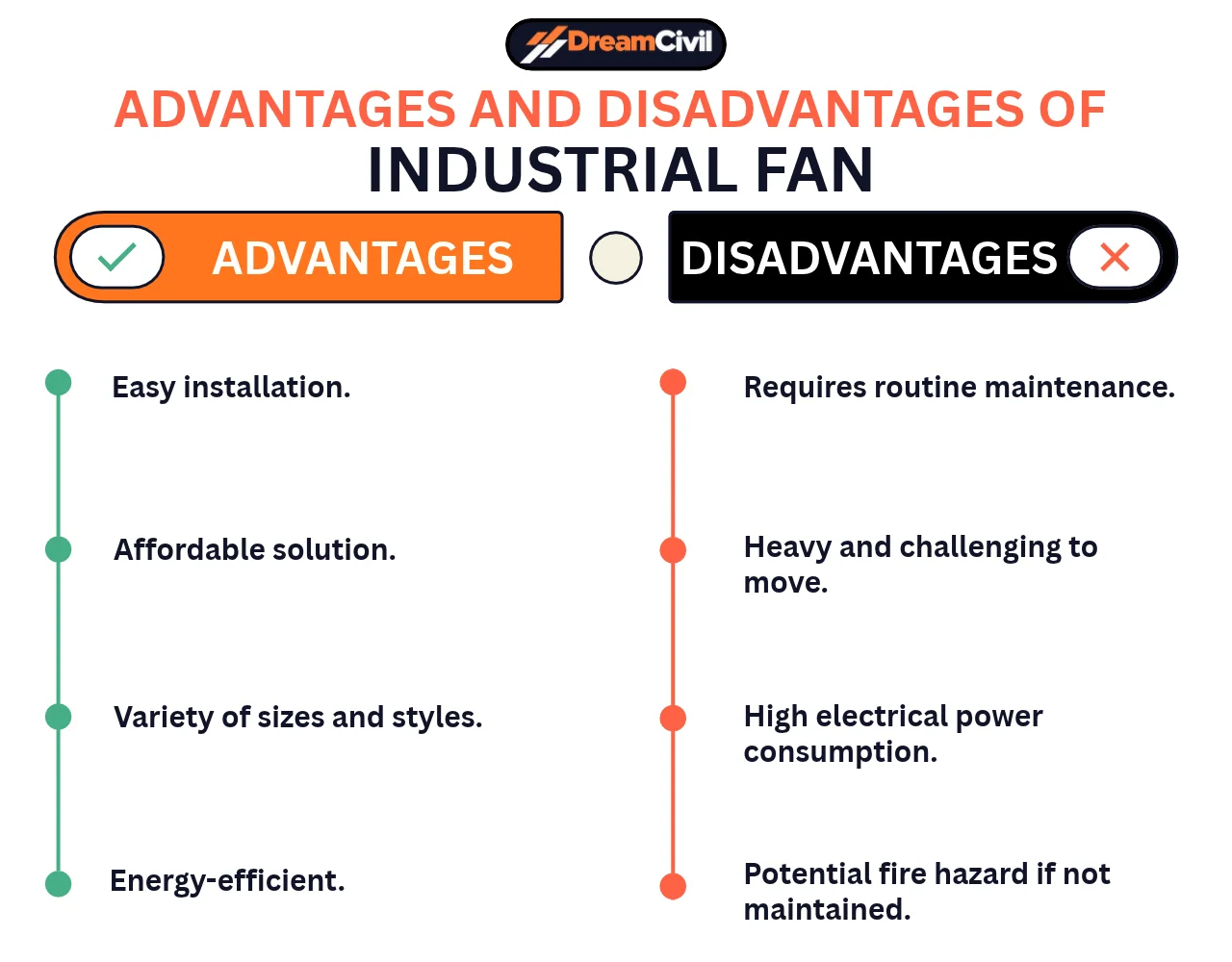
It is different from other fans as it moves the large volume of air for industrial ventilation and for other purposes.
When this fan is connected to a suitable extraction system, it helps to remove, fumes and airborne dust.
It is used for industrial applications such as in factories, workshops, and industrial plants.2
12. Portable Fan
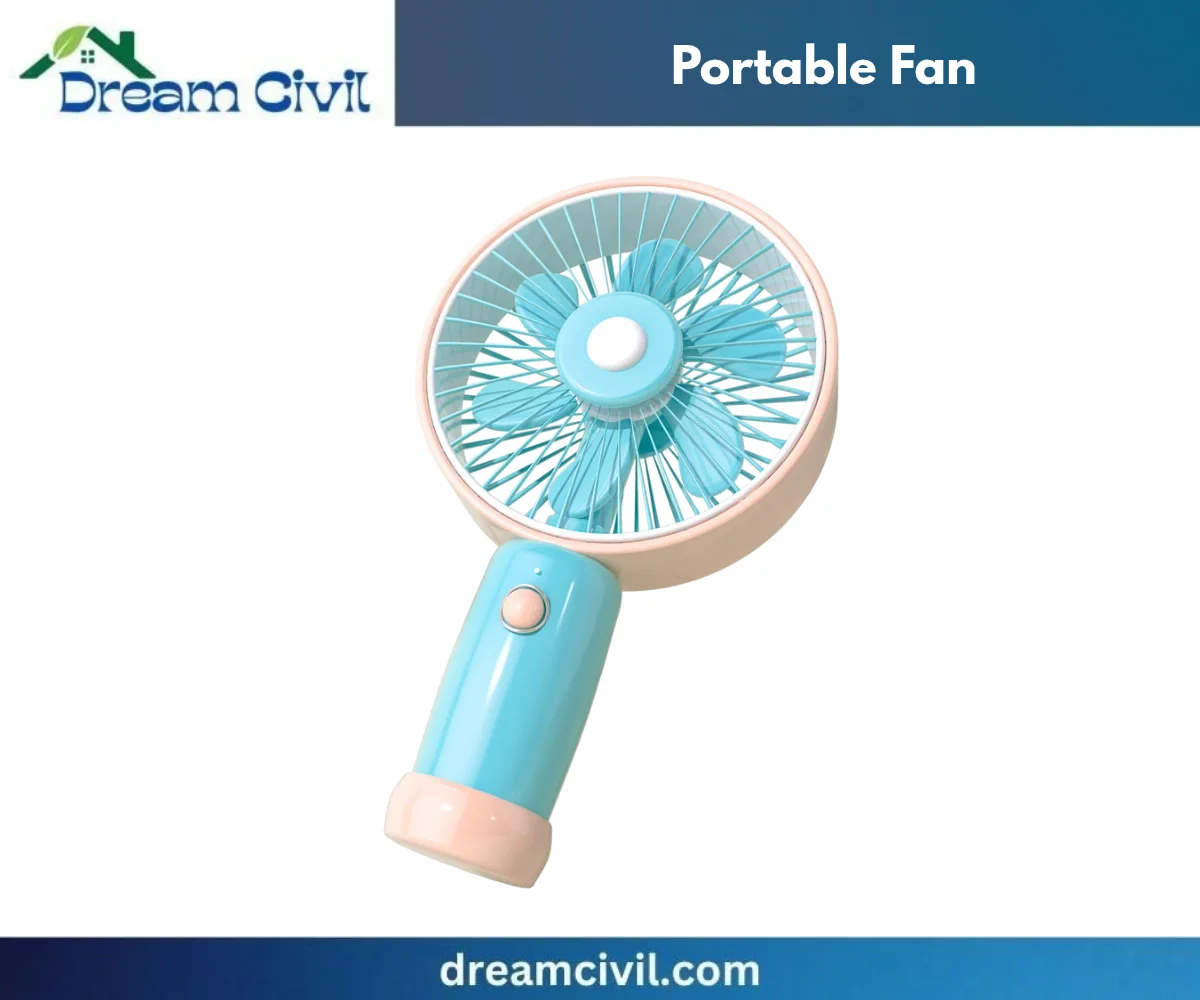
It has a lightweight design and can be carried in one hand and can be easily moved.
It is a battery-powered model, so you can use them away from a power outlet.
You can simply use it while travelling, camping, or when you are outdoors.
13. Whole-house Fan
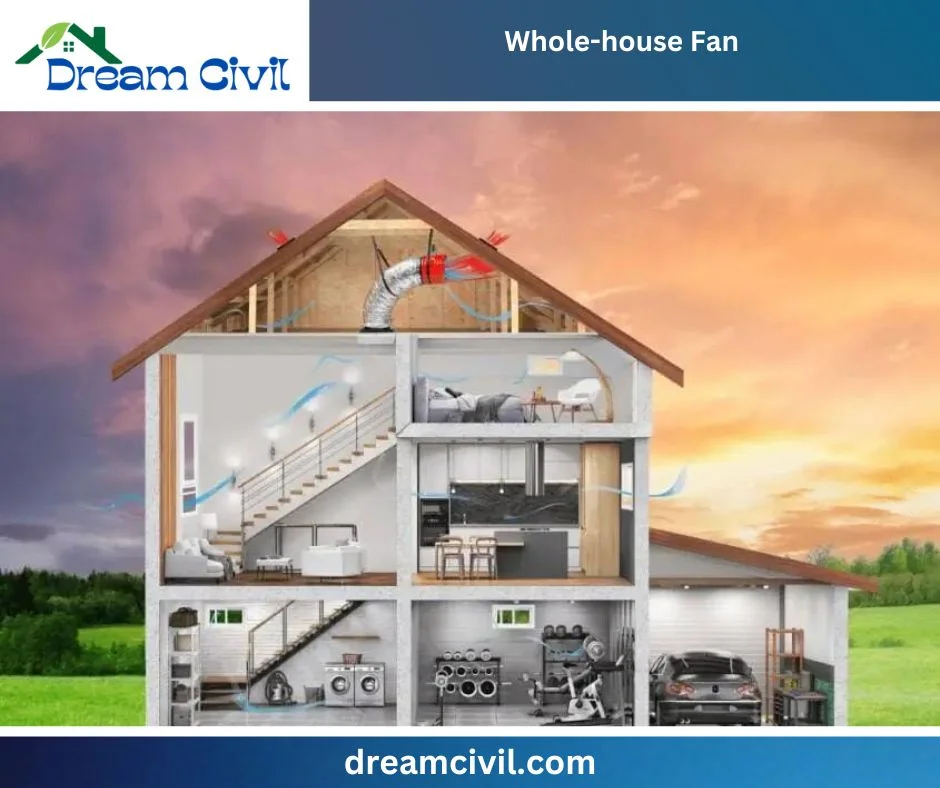
This fan pulls the warm indoor air into the attic and pushes the air outside from roof or gable vents.
It draws the cooler air from open windows for ventilating the open space.
It works perfectly when the outdoor air is cooler than the indoor air, and the attic has enough ventilation.
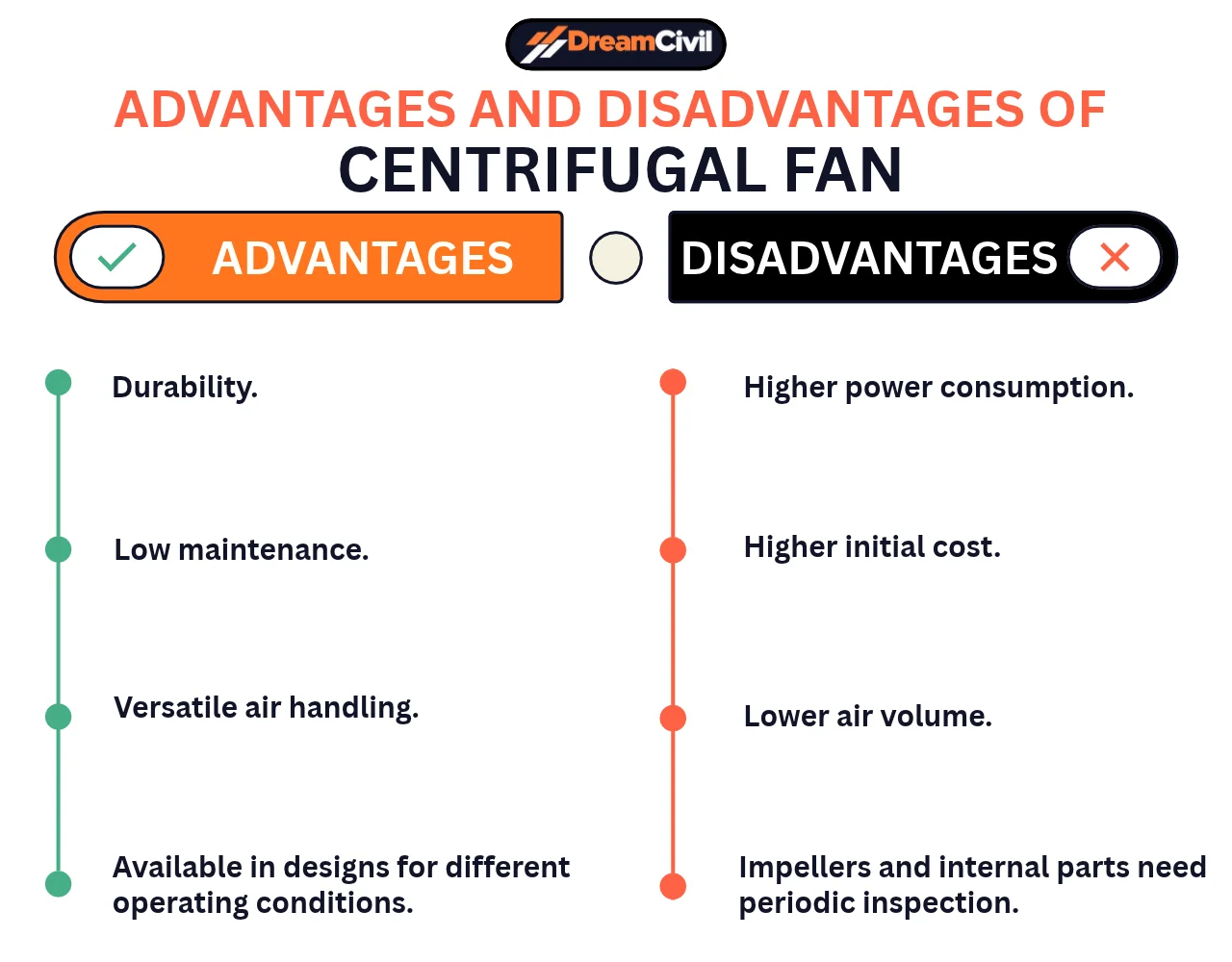
14. Centrifugal Fan
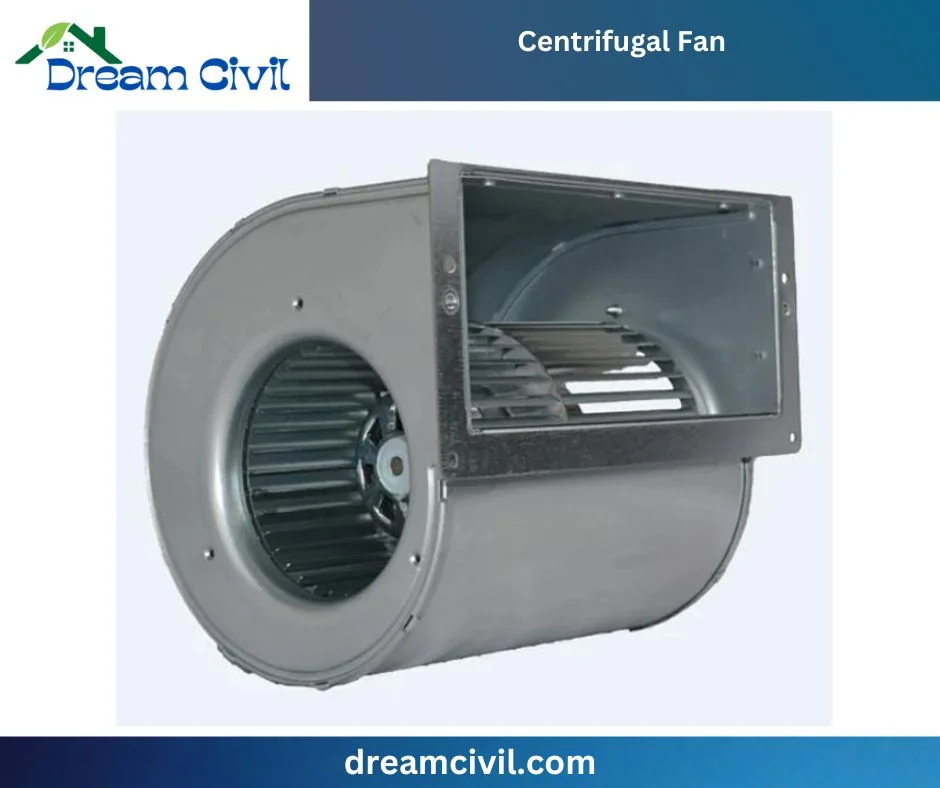
This fan draws the air into a rotating cylindrical impeller and directs it outside.
It produces pressure to move the air through ducts, filters, and other systems that offer resistance to airflow.
This type of fan is normally used in HVAC systems, dust collectors, and industrial exhaust systems.3
15. Floor Fan
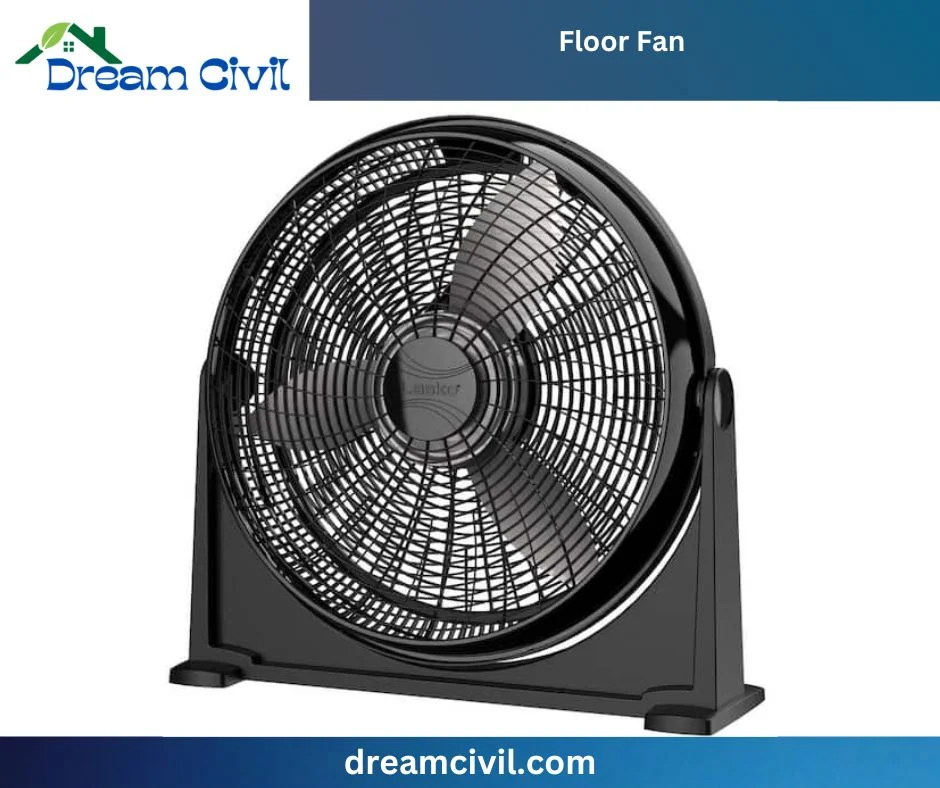
This fan directly stands on the floor i.e., there is no need for ceiling or wall installation.
It is available in various designs, and it provides high-speed fans that moves the air across large space.
It has portable size and is used for personal cooling, air circulation, and drying in garages, workshops, and other work areas.
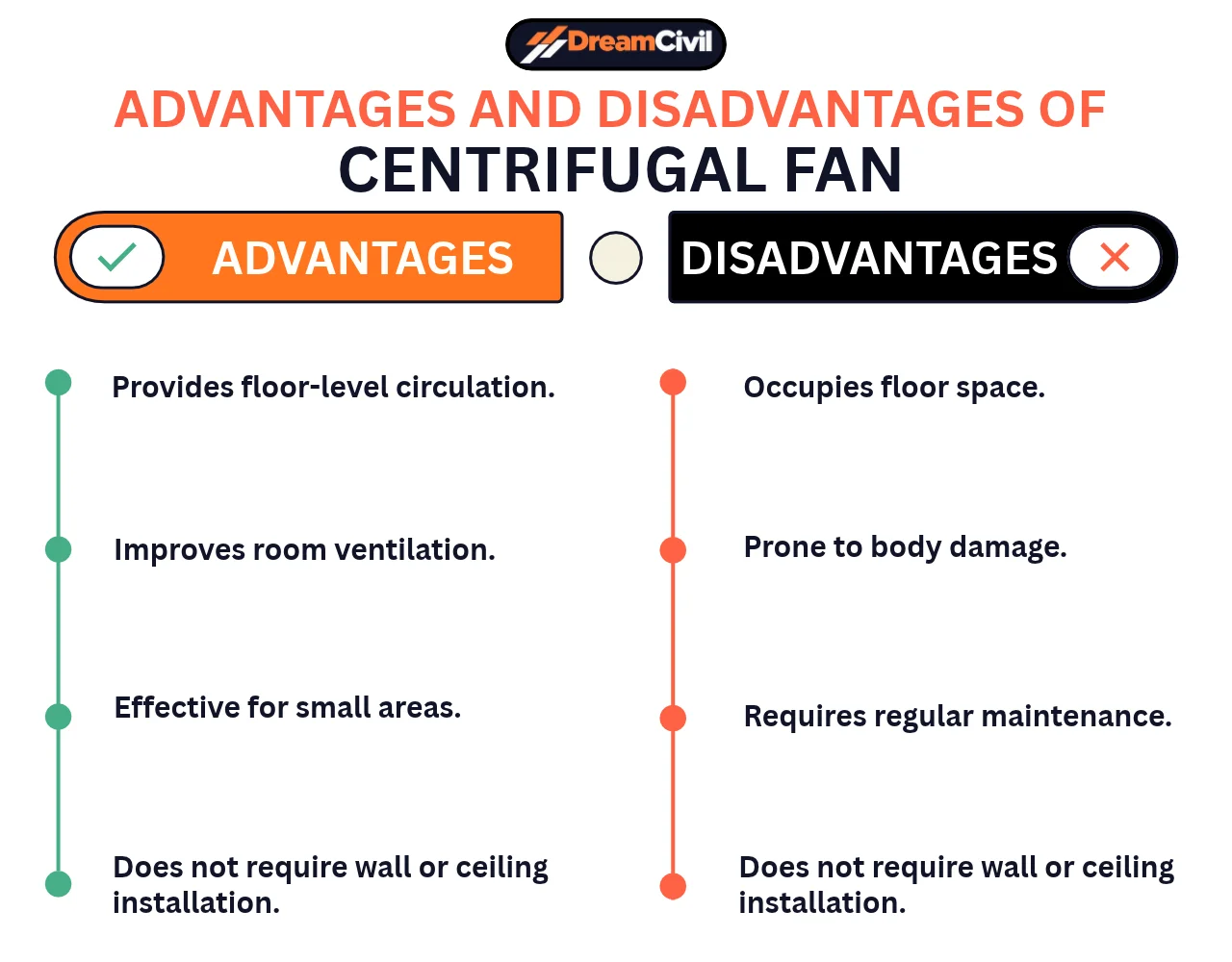
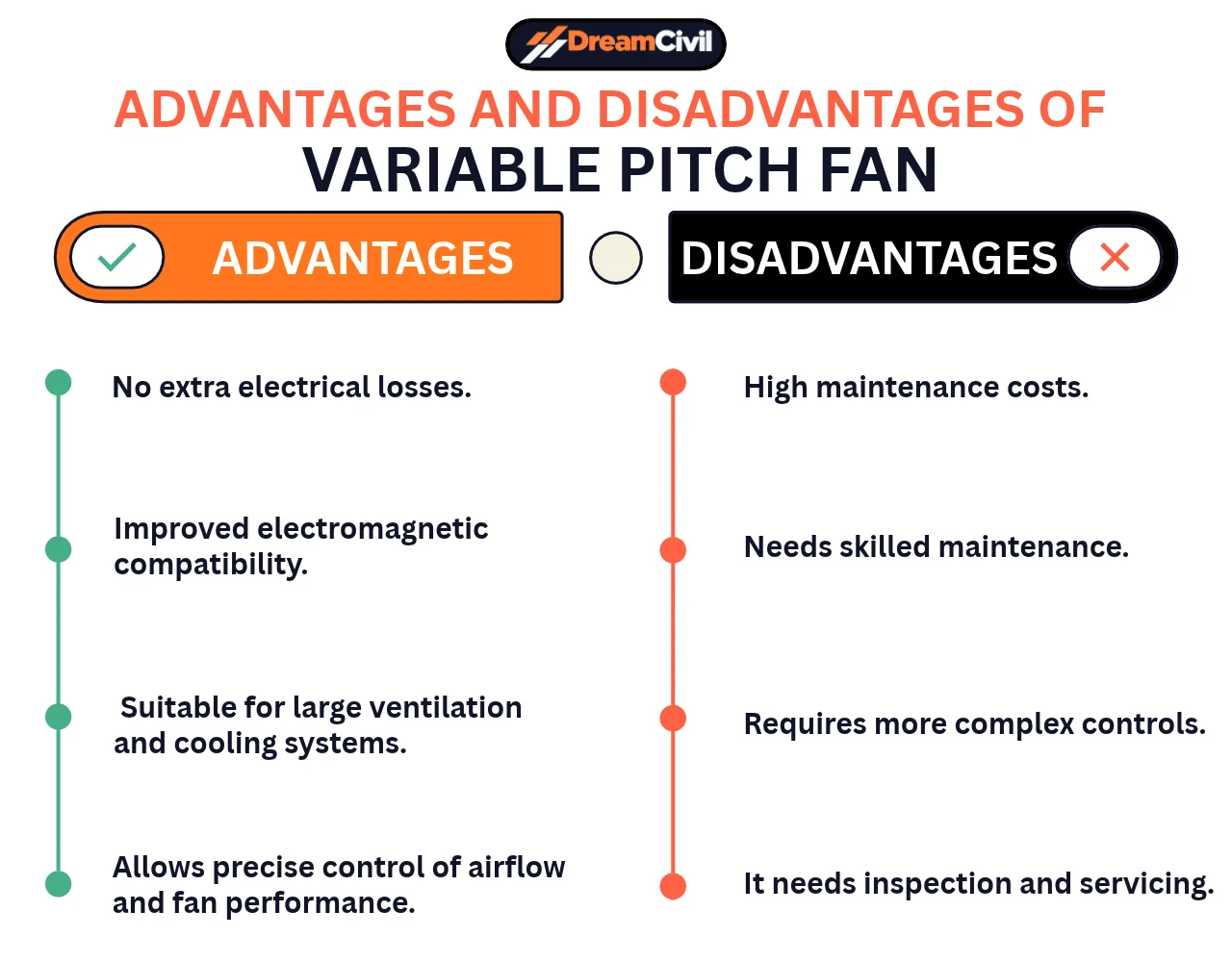
16. Variable Pitch Fan
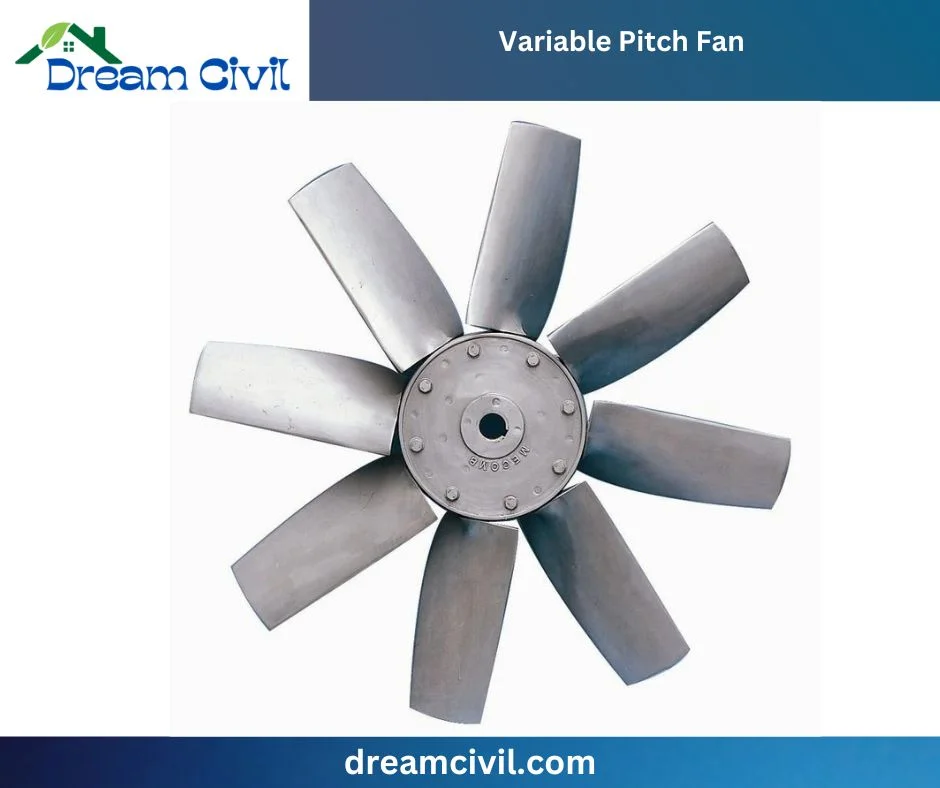
This fan allows you to change the blade angle when the fan is running.
Allows you to adjust the airflow according to your requirements.
These fans are used in power plants, cooling towers, and large industrial ventilation systems.
Frequently Asked questions (FAQs)
1. What are the different types of fan?
Some common types of fan are ceiling fan, pedestal fan, table fan, tower fan, exhaust fans, wall-mounted fan, industrial fans, and centrifugal fans.
2. Which type of fan is best for home use?
Most commonly ceiling fan is best for home use, while other types of fans are suitable for targeted airflow.
3. Which fan consumes less electricity?
DC motor fans generally consumes less electricity than AC motor fans.
4. Which is better, a tower fan or a pedestal fan?
Both are better for their intended purpose of use; a pedestal fan provides a strong direct airflow, whereas a tower fan saves floor space and sometimes has more new features.
5. What is the difference between an axial fan and a centrifugal fan?
Axial fan provides air in linear direction, whereas centrifugal fan provides air in perpendicular direction.
6. Which type of fan is best for a kitchen?
An exhaust fan is best for a kitchen because it helps to remove, cooking smell, smoke and extra moisture inside kitchen.
7. Which fan is best for a large room?
For a large room, you can use ceiling fan or a pedestal fan.
8. Does a fan reduce room temperature?
In real, a fan moves the air and cools people by evaporating their sweat rather than lowering the room temperature.
9. What is the purpose of an industrial fan?
The main purpose of an industrial fan is to provide ventilation, cooling, and remove fumes or dust in a suitable system.
10. What is a variable-pitch fan?
A variable-pitch fan allows you to change the blade angle when the fan is running.
| Written By | Madhu Krishna Poudel |
| Role | Construction Site Supervisor | Founder, DreamCivil |
| Experience | 8+ years of practical construction experience |
| Technically reviewed by | Er. Bikash Kafle |
References: