Table of Contents
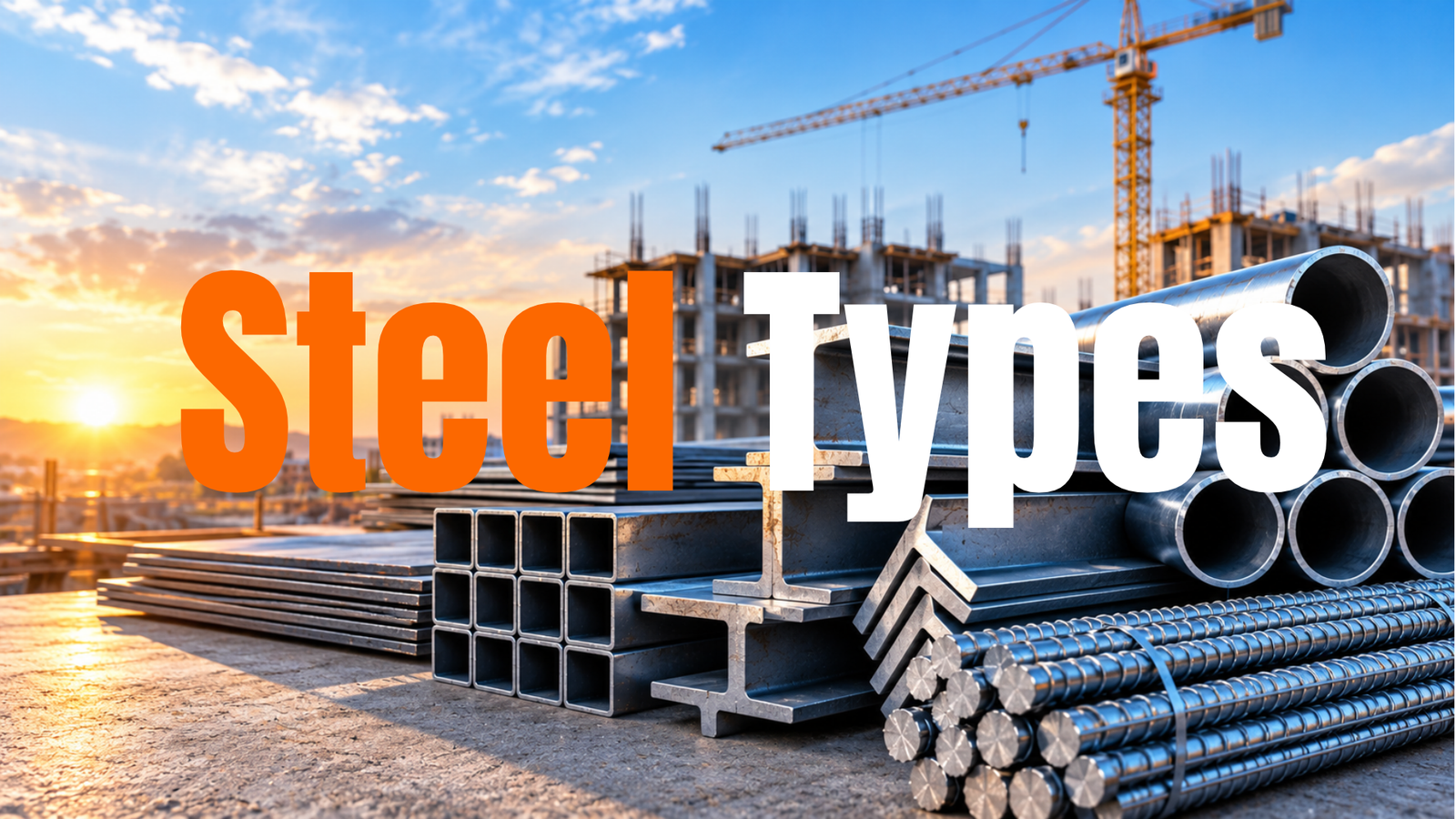
Steel is an alloy primarily composed of iron and carbon. It contains 2% carbon. As the carbon content gets higher, it becomes harder & tougher. It is elastic, malleable & ductile.
Steel can corrode when exposed to moisture and oxygen. It has very high compressive and tensile strength. Steel’s iron content can reach 99% in carbon steel and mild steel.
Steel is a strong metal that keeps its strength even under tension and heavy loads. It’s used for a very long list of products and applications. Mild steel, or carbon steel, is generally more than 99% iron. It contains less than 2.1% carbon by mass, similar amounts of manganese, and traces of phosphorus and sulfur.
Professional Steel Weight Calculator
Material & Density Used
Standard Mill Tolerance
1. Types of steel
Steel has mainly two types: one is carbon steel, and another is alloy steel. Carbon steel also has some types: high carbon steel, medium carbon steel, and low carbon steel. These categories are not always mutually exclusive; for example, stainless steel is also a type of alloy.
Alloy steel also has some types: cobalt steel, copper steel, manganese steel, nickel steel, vanadium steel, and stainless steel.
1. Carbon steel
Carbon steel is one of the simplest steel alloys. It has three categories: high steel, medium steel, and low steel. And it ranging from 0.05% to 2% carbon content.
It depends on how much carbon it contains; carbon content influences ductility, brittleness, weldability, and strength, and it is commonly used for car and truck components and structures, as well as springs.
a. Low carbon steel (Mild steel)
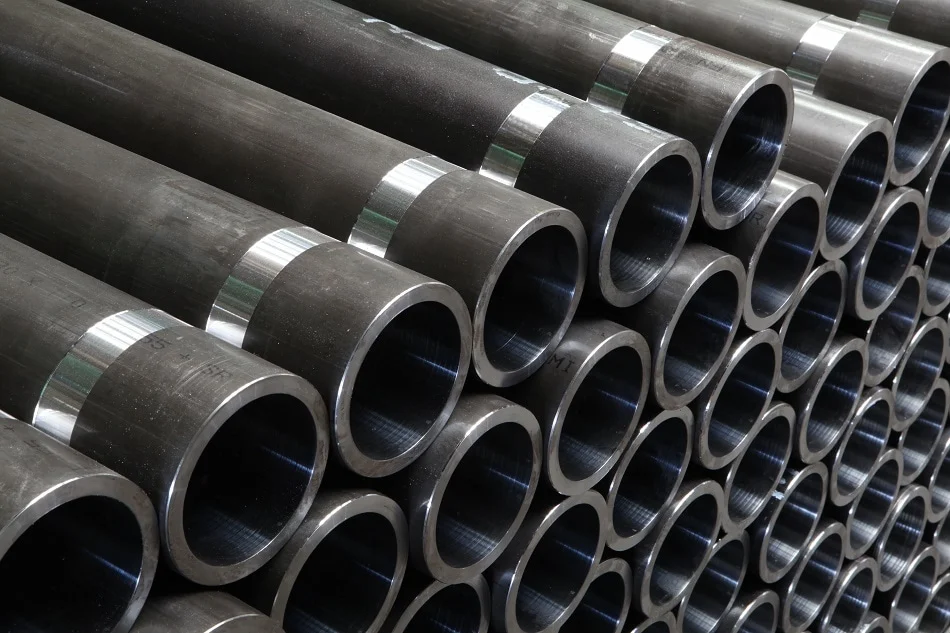
Low carbon steel contains 0.15% to 0.3% carbon. It is elastic and tough, malleable & ductile. It is highly used in construction and manufacturing because of its good ductility. It is relatively low cost.
Low-carbon steel has low carbon, but it has good ductility and can be bent and shaped without easily breaking. It is used in Structural beams and columns.
| Advantages | Disadvantages |
| It has low cost and is widely available | It is less hard than high-carbon steel. |
| It has excellent weldability | It has less wear resistance. |
| This steel is easy to bend, cut, and shape. | It can deform under heavy loads. |
| It has good ductility and toughness. | It is prone to rust without protection. |
| It is suitable for construction and fabrication. | It cannot be significantly hardened by conventional heat treatment. |
b. Medium carbon steel
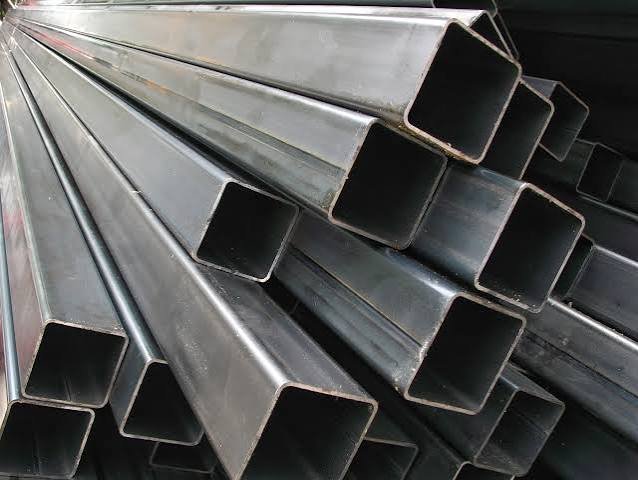
The medium carbon steel content is 0.3% to 0.8%. The medium carbon steel provides a balance of strength, hardness, ductility, and toughness.
This is better than low carbon steel because it offers greater strength and wear resistance but is generally less ductile and more difficult to weld.
It is widely used in shafts, axles, gears, railway wheels, and machine components.
| Advantage | Disadvantage |
| It is higher strength than mild steel. | It has less ductility than low carbon steel. |
| It has good hardness and wear resistance. | This steel is more difficult to weld. |
| It can be hardened for strength and toughness. | It requires careful heat treatment. |
| It can be hardened and tempered. | This steel may become brittle if improperly heat-treated. |
| It is suitable for heavy-duty mechanical components. | This steel is more difficult to machine than mild steel. |
c. High carbon steel
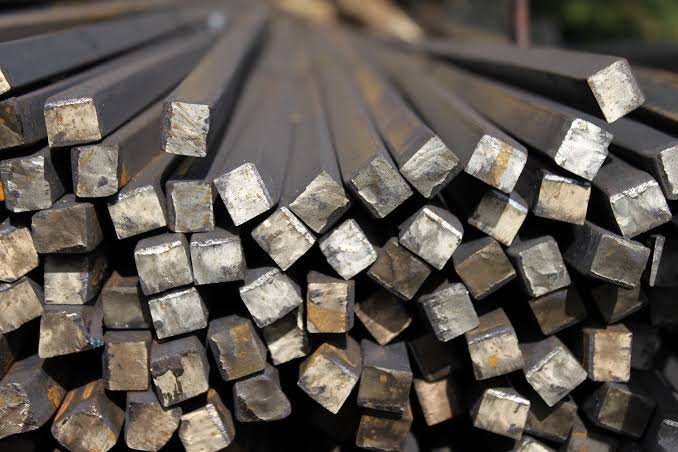
The high carbon steel content is 0.81% to 1.5%. High carbon steel has increased hardness, and it provides excellent resistance to indentation and deformation.
It maintains a sharp cutting edge after suitable heat treatment. It is suitable for tools and components exposed to friction. High carbon steel is used in many places, for cutting tools, knives, and blades. And used for springs and high-strength wires.
It is used for Drills, punches, and chisels. And for making industrial wear-resistant components.
| Advantages | Disadvantage |
| It has hardness and strength. | It has lower ductility. |
| It has excellent wear resistance. | It can become brittle. |
| It retains a sharp cutting edge. | High carbon steel is difficult to weld. |
| It is suitable for cutting tools. | It is more challenging to machine. |
| It gives good performance after heat treatment. | It may corrode without protection. |
2. Alloy Steel
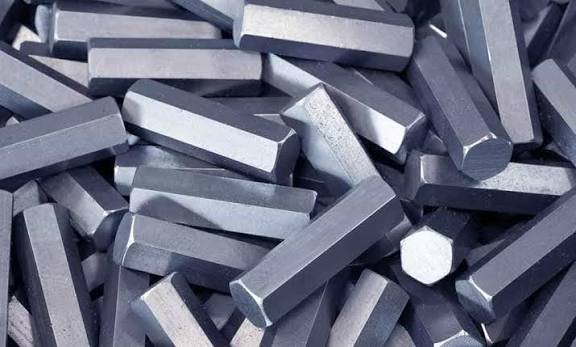
When steel is mixed with alloying elements ( such as manganese, silicon, nickel, titanium, copper, chromium, aluminium, etc.) to change the properties of steel.
These elements improve the steel’s hardness, toughness, and properties of the steel. They are widely used in construction, automotive, and manufacturing. They are used in automobile gears, shafts, and axles.
| Advantages | Disadvantage |
| It has high strength and hardness. | It is more expensive than ordinary carbon steel. |
| It improves wear resistance. | With alloys, some grades are difficult to machine. |
| It has good toughness and durability. | Welding may require special procedures. |
| It can offer heat and corrosion resistance. | Its properties depend on alloy composition. |
| It is suitable for demanding industrial applications. | Heat treatment may be necessary for the best performance. |
Types of Alloy Steel
Alloy steel has some types, such as cobalt steel, copper steel, manganese steel, nickel steel, vanadium steel, and stainless steel ( Fe + Cr + Ni ).
1. Cobalt steel
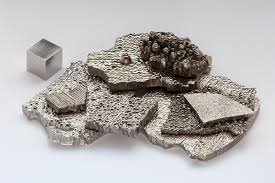
Cobalt steel is a type of alloy steel made by adding cobalt to steel. It is often alloyed with other elements such as chromium, tungsten, and molybdenum.
Its best ability is to maintain hardness at high temperatures, making it useful for cutting tools and high-speed machining applications.
It is used in high-speed cutting tools, drilling bits, and milling cutters.
| Advantages | Disadvantages |
| It retains hardness at high temperatures. | It is more expensive than ordinary carbon steel. |
| It has good wear resistance. | It can be brittle, depending on composition. |
| It is suitable for high-speed cutting. | It is difficult to machine and sharpen. |
2. Copper steel
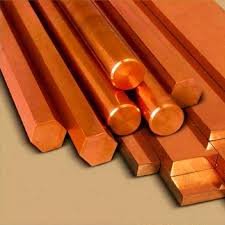
Copper steel is a type of steel; it contains a small amount of copper as an alloying element. Copper is used mainly to improve atmospheric corrosion resistance and, in some grades, strength. It is widely used in construction, bridges, and outdoor steel structures.
| Advantage | Disadvantages |
| It improves atmospheric corrosion resistance. | It may cost more than ordinary carbon steel. |
| It has good strength and durability. | It is not completely rustproof. |
| It is suitable for outdoor structures. | Its properties depend on composition. |
| It reduces maintenance in suitable environments. | It may have limited benefits in some environments. |
3. Manganese steel
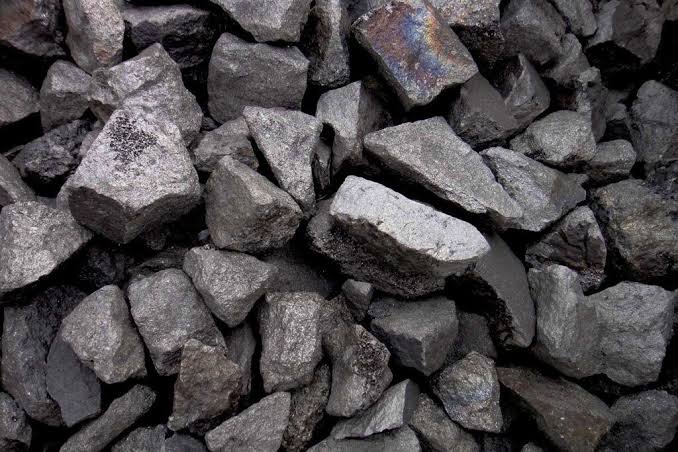
Manganese steel is a type of alloy steel that contains manganese. It is a very important alloying element.
It has a high manganese content; particularly had field steel typically contains around 11-14% manganese and 1-1.4% carbon.
| Advantage | Disadvantage |
| It has excellent toughness and impact resistance. | It is difficult to machine. |
| It has high wear resistance under impact. | It requires careful procedures. |
| It hardens during use. | It requires careful procedures for welding. |
| It is suitable for heavy-duty applications. | It may be more expensive than ordinary steel. |
4. Nickel steel
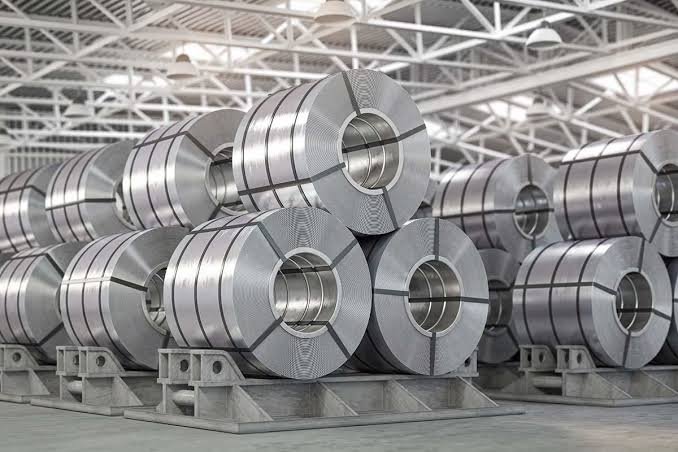
Nickel steel is a type of alloy steel. In which nickel is added to improve toughness, strength, and impact resistance.
Depending on its composition, nickel steel can also provide better performance at low temperatures. It is used in automotive manufacturing and machinery.
| Advantage | Disadvantage |
| It has high toughness and impact resistance. | It is more expensive than ordinary carbon steel. |
| It has good strength and durability. | Its properties depend on nickel content and other alloying elements. |
| It improves performance at low temperatures in suitable grades. | Some grades require heat treatment. |
| It is suitable for heavy-duty applications. | Not all nickel steels have high corrosion resistance. |
5. Vanadium steel

Vanadium steel is an alloy steel made by adding a small amount of vanadium to steel. Vanadium is a strong metallic element that improves the mechanical properties of steel.
It has high strength, hardness, toughness, and resistance to wear. It is used in the automotive industry, construction, manufacturing, engineering, and tool production. It is good for vehicles.
| Advantage | Disadvantage |
| It has high strength and durability. | This steel is more expensive than some ordinary steels. |
| It has good toughness and impact resistance. | It requires careful heat treatment. |
| It has excellent wear resistance. | It can be difficult to weld. |
| It is suitable for automotive parts and tools. | It requires proper material selection and processing. |
6. Stainless steel ( Fe + Cr + Ni )
The steel we probably see most often is stainless steel. It contains more than 10.5% chromium. The chromium forms a dense layer of oxide around a metal surface and is highly resistant to corrosion. Nickel is not essential in every stainless steel grade.
In stainless steel, a high percentage of chromium & nickel is available. It is easy to clean, polish & sterilize. It is strong, hard, tough, and machinable.
Its corrosion resistance varies by grade and environment, and it can still corrode under unsuitable conditions.
| Advantage | Disadvantage |
| This steel has excellent resistance to rust and corrosion. | This high expensive than ordinary steel. |
| This steel is strong and durable. | In this steel, some grades are difficult to machine. |
| This steel is recyclable and long-lasting. | It can be difficult to weld in certain grades. |
| This steel is easy to clean and maintain. | This steel can be scratched or damaged under certain conditions. |
Types of stainless steel
1. Austenitic Stainless Steel
Austenitic stainless steel is a type of stainless steel. This stainless steel mainly contains iron (Fe), chromium (Cr), and nickel (Ni). It is popular for its excellent corrosion resistance, good toughness, and high ductility.
It is non-magnetic in the annealed condition and is widely used in automotive products.
| Advantage | Disadvantage |
| It has excellent resistance to rust and corrosion. | This stainless steel is more expensive than ordinary steel. |
| This stainless steel has high toughness and ductility. | It can be difficult to machine. |
| This stainless steel is easy to clean and maintain. | It may become magnetic after certain types of cold working. |
| It has good heat resistance in suitable grades. | Its nickel-containing grades may cause allergic reactions in sensitive individuals. |
2. Ferritic stainless steel
Ferritic stainless steel is a type of steel. It mainly contains iron (Fe) and chromium (Cr), with a low amount of carbon and usually little or no nickel.
It has magnetic properties. It is less expensive than austenitic stainless steel because it contains less nickel.
| Advantage | Disadvantage |
| It is less expensive than austenitic stainless steel. | It has lower toughness than austenitic stainless steel. |
| It has good corrosion resistance. | This stainless steel has limited ability to harden by heat treatment. |
| This stainless steel is magnetic in nature. | It can be difficult to weld in thicker sections. |
| It is useful for automotive applications. | It has limited formability in some applications. |
3. Martensitic Stainless steel (Fe + Cr + Low carbon)
Martensitic stainless steel is a type of chromium-containing stainless steel that can be hardened through suitable heat treatment.
Depending on the grade, it mainly contains iron (Fe), chromium (Cr), and carbon (C), usually with a relatively low nickel content.
It is magnetic, and it is hardened by heat treatment, making it one of the hardest types of stainless steel when properly processed.
These stainless steels contain more carbon than ferritic grades and can be hardened through heat treatment.
| Advantage | Disadvantage |
| It is very hard and strong. | It has lower corrosion resistance than austenitic stainless steel. |
| It can be hardened by heat treatment. | It can be brittle when hardened. |
| It has good wear resistance. | It is difficult to weld. |
| It is magnetic in nature. | It may rust if not properly maintained. |
2. Frequently Asked Questions (FAQs)
a. What is steel?
Steel is an alloy of iron and carbon widely used in construction and manufacturing.
b. What are the main types of steel?
The main types of steel are carbon steel, alloy steel, stainless steel, and tool steel.
c. What are the main properties of steel?
The main properties of steel are high strength, hardness, ductility, toughness, and durability.
d. What are the advantages of steel?
The advantages of steel are high strength, durability, recyclability, and easy fabrication.
e. What are the disadvantages of steel?
The disadvantages of steel are corrosion, high maintenance, high-temperature weakness, and cost.
| Written By | Er. Aneel Kunwar |
| Role | Site Engineer at A n B Engineering Consultancy |
| Experience | 5+ years of practical construction experience |
| Technically reviewed by | Er. Bikas Kafle |