Table of Contents
| Types of Bricklaying Tools: Quick Overview This article provides detailed information on 7 of the best bricklaying tools. We also explain their advantages and disadvantages separately. After reading this article, you will be able to choose the right bricklaying tools for your work. |
Bricklaying tools are equipment used in construction to lay bricks accurately. They help maintain proper alignment and create strong, durable walls.
Understanding tool names and uses is important for both beginners and professional masons. These tools help masons complete brickwork efficiently and make more better work.
If you want to know about other 30+ tools for measuring, then click here: (Tap)
#. Bricklaying Tools List
A. Essential Bricklaying Tools
| Tools Name | Main use |
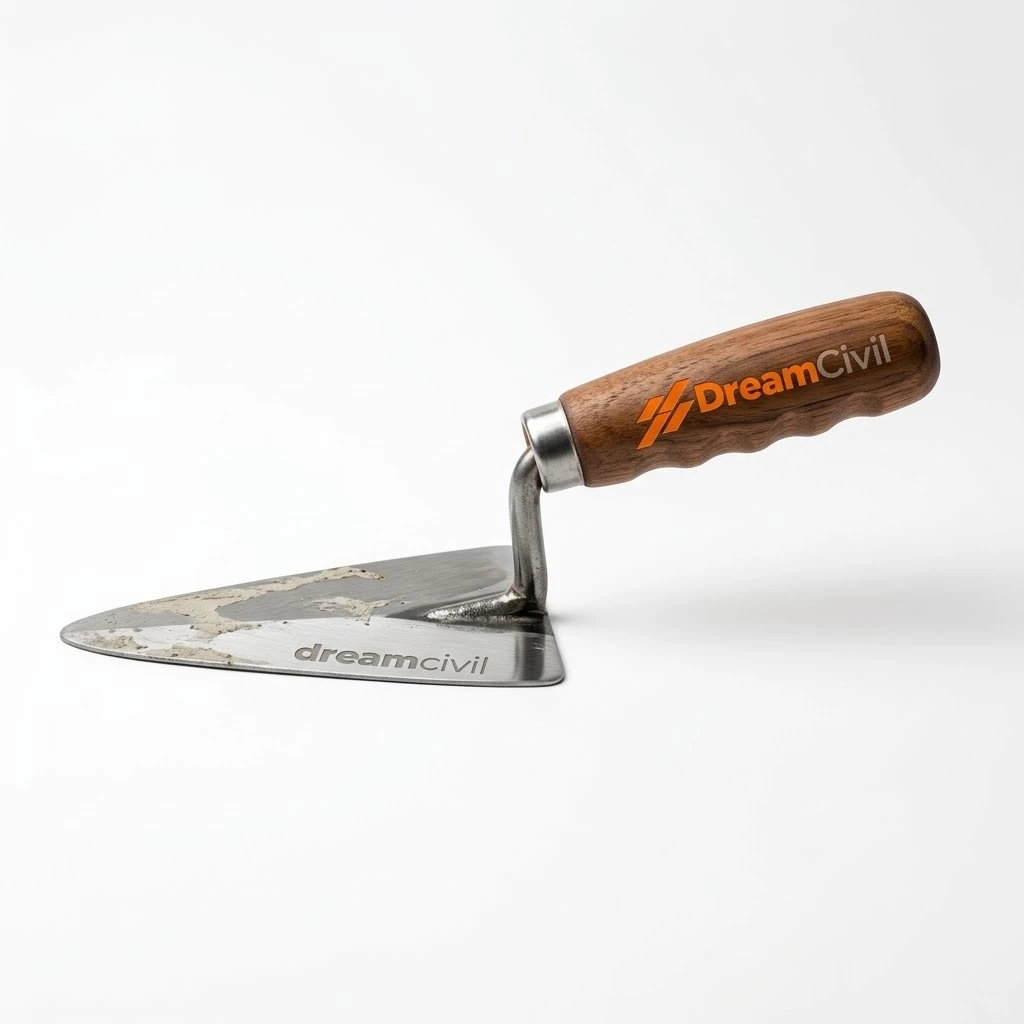 Brick Trowel | This is useful for spreading and handling mortar and helps position bricks during masonry work. |
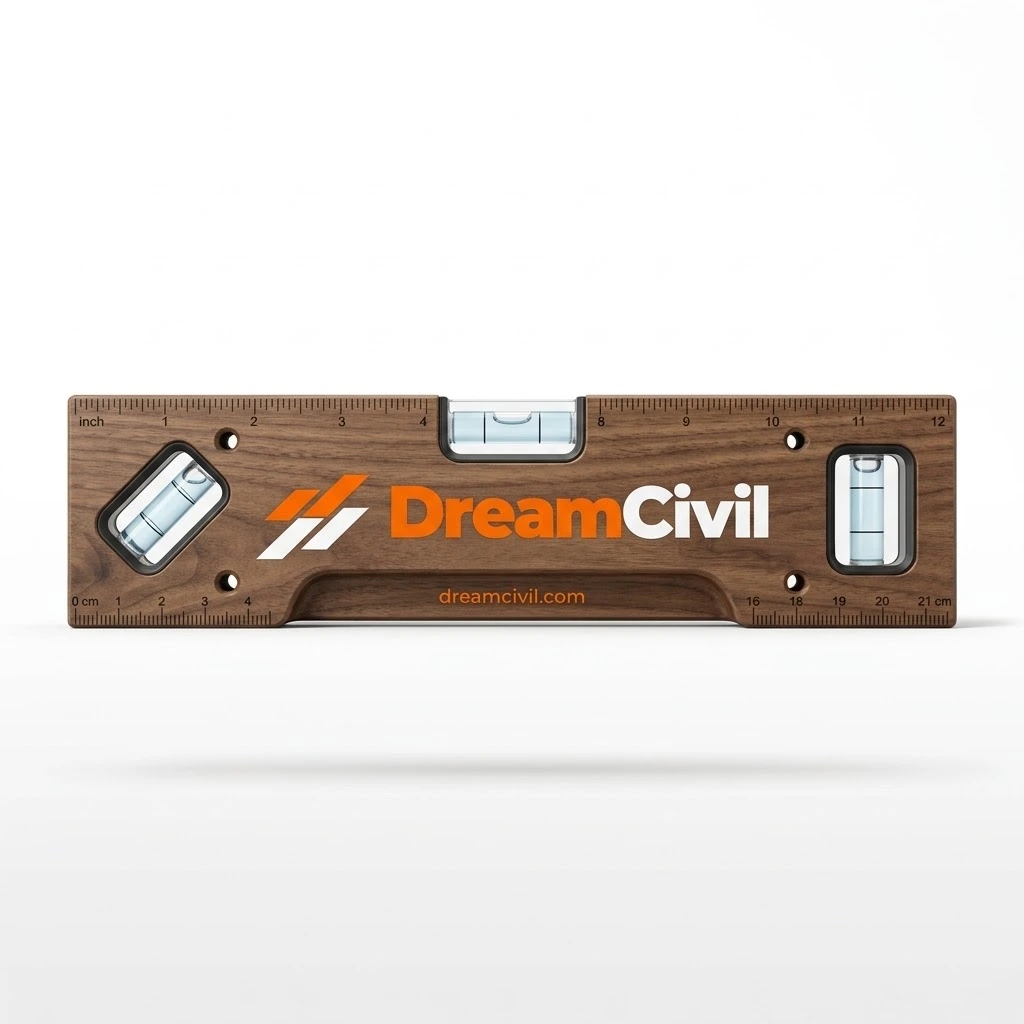 Spirit Level | This tool is useful for checking whether brick courses are horizontal and surfaces are level. |
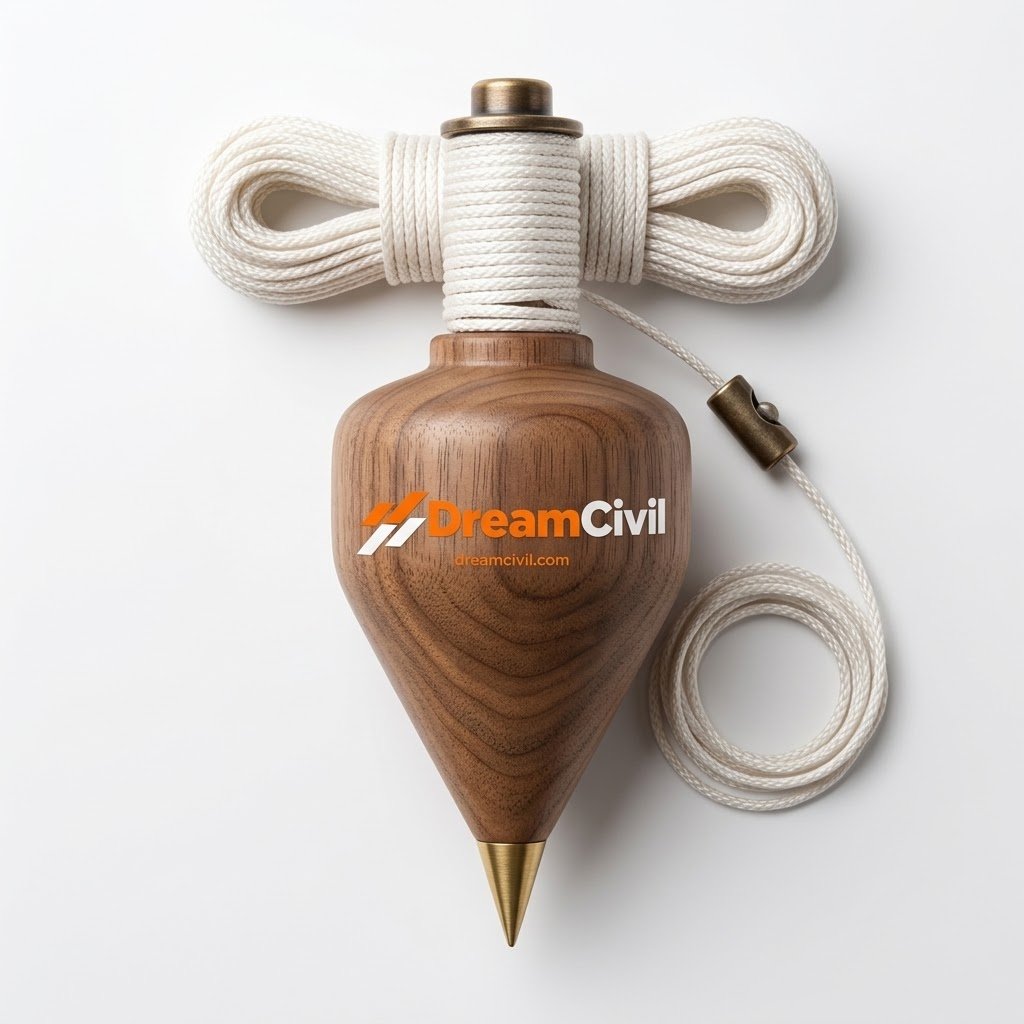 Plumb Bob | This is best for checking the vertical alignment of brick walls and corners. |
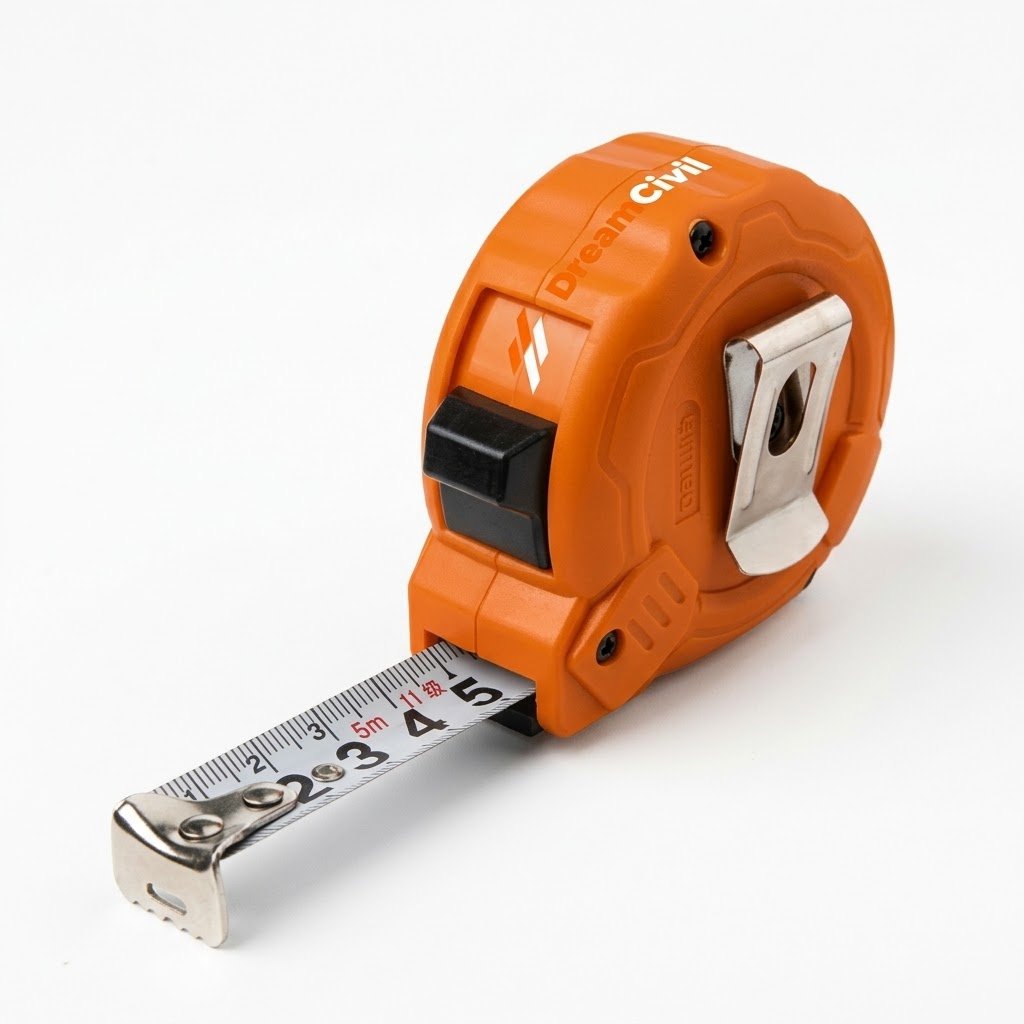 Measuring Tape | This tape measures wall dimensions, openings, and distances. |
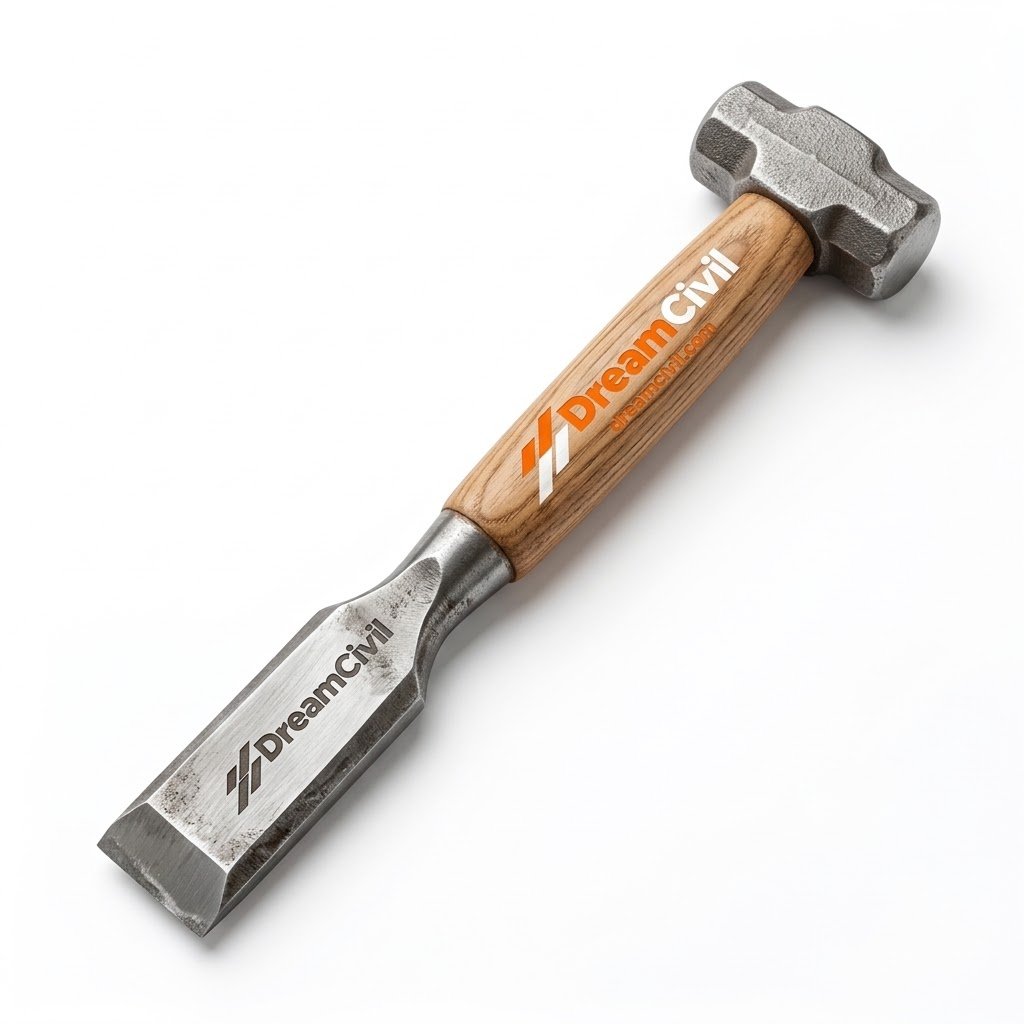 Brick Bolster Chisel | This tool helps cut or split stuck bricks with a suitable hammer. |
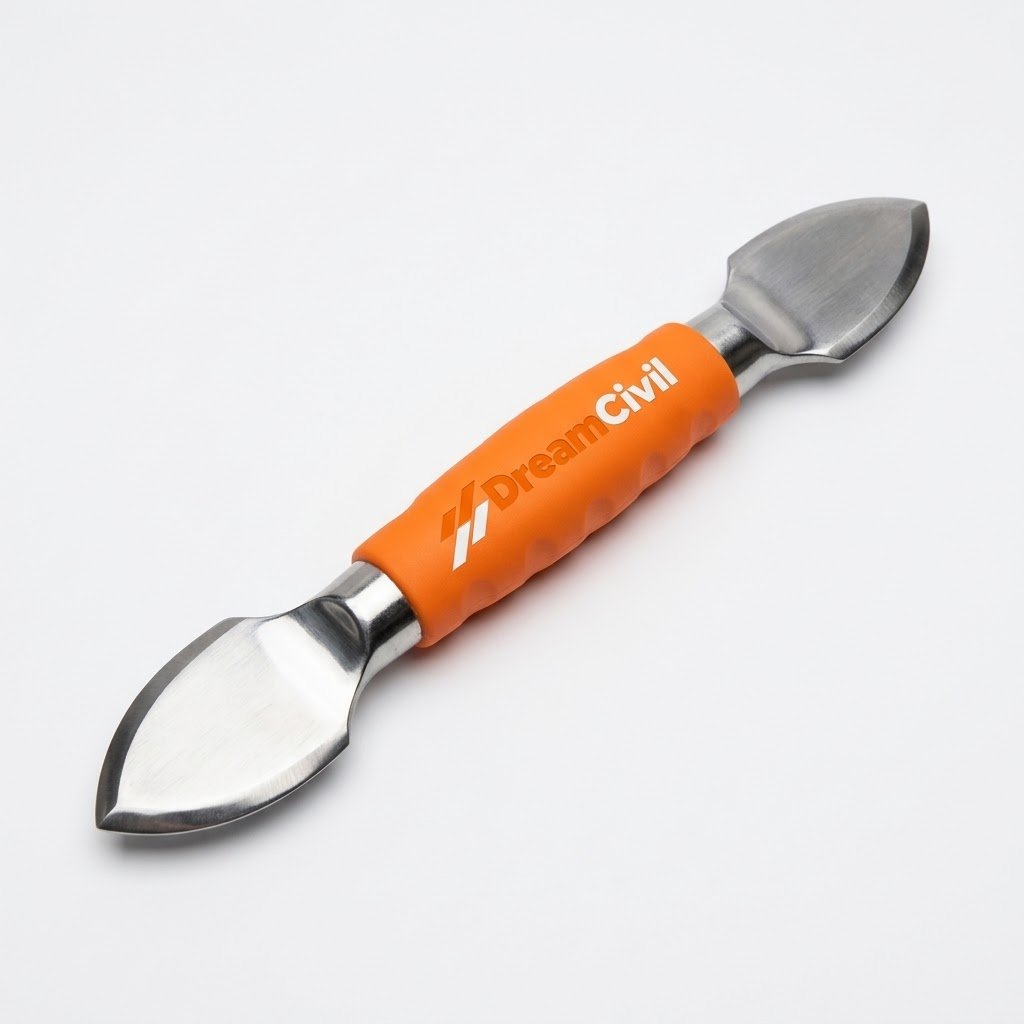 Brick Jointer | This tool shapes and finishes mortar joints to improve appearance and weather resistance. |
B. Measuring and alignment tools
| Tool Name | Main Use |
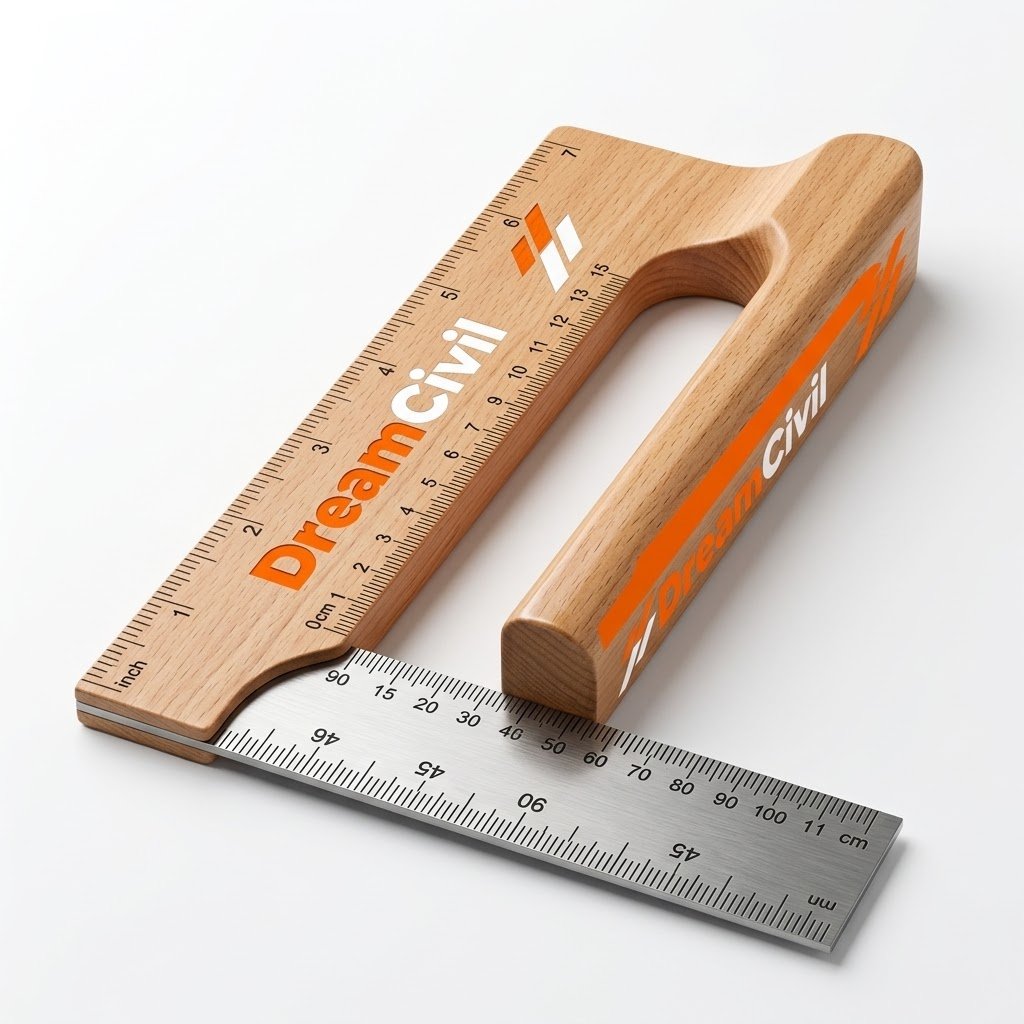 Mason’s Square | This Mason’s Square Checks right angles at corners and masonry layouts. |
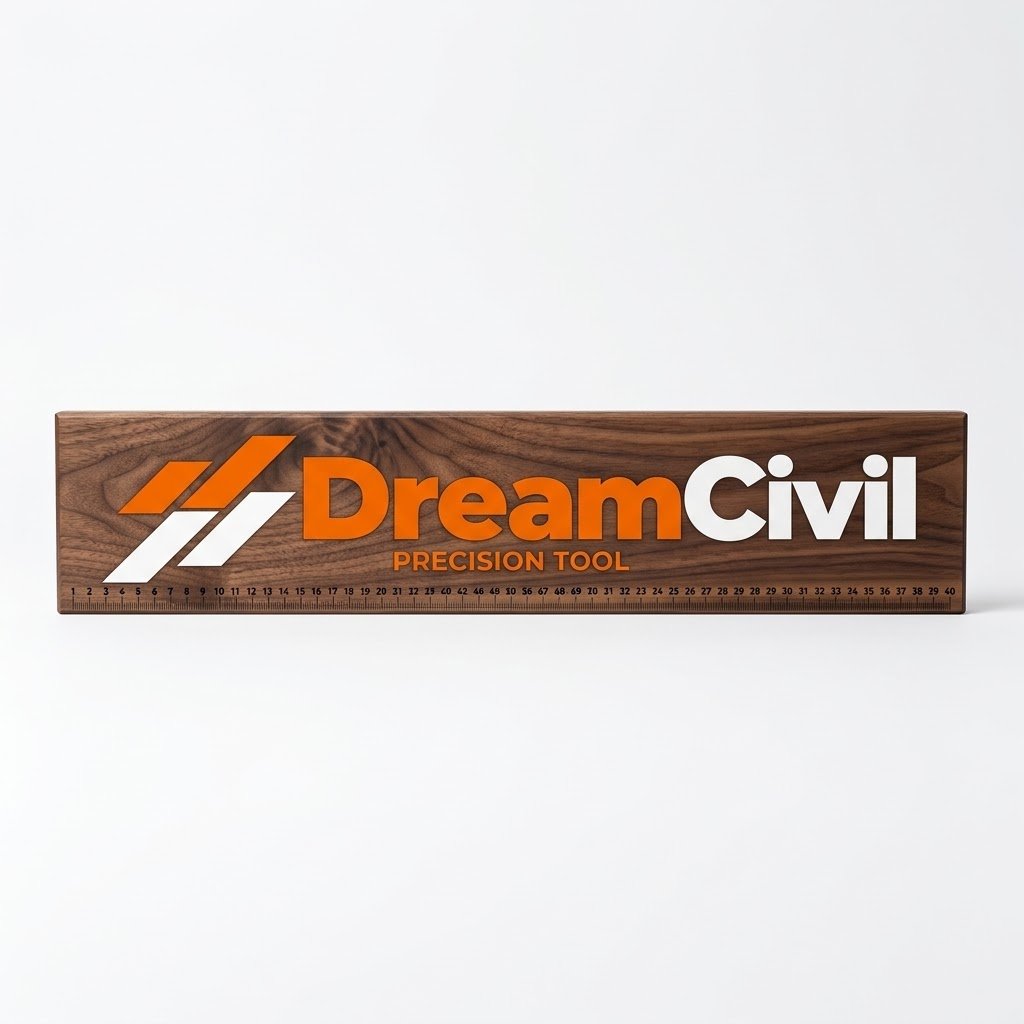 Straightedge | This Straightedge checks the flatness and straightness of brickwork. |
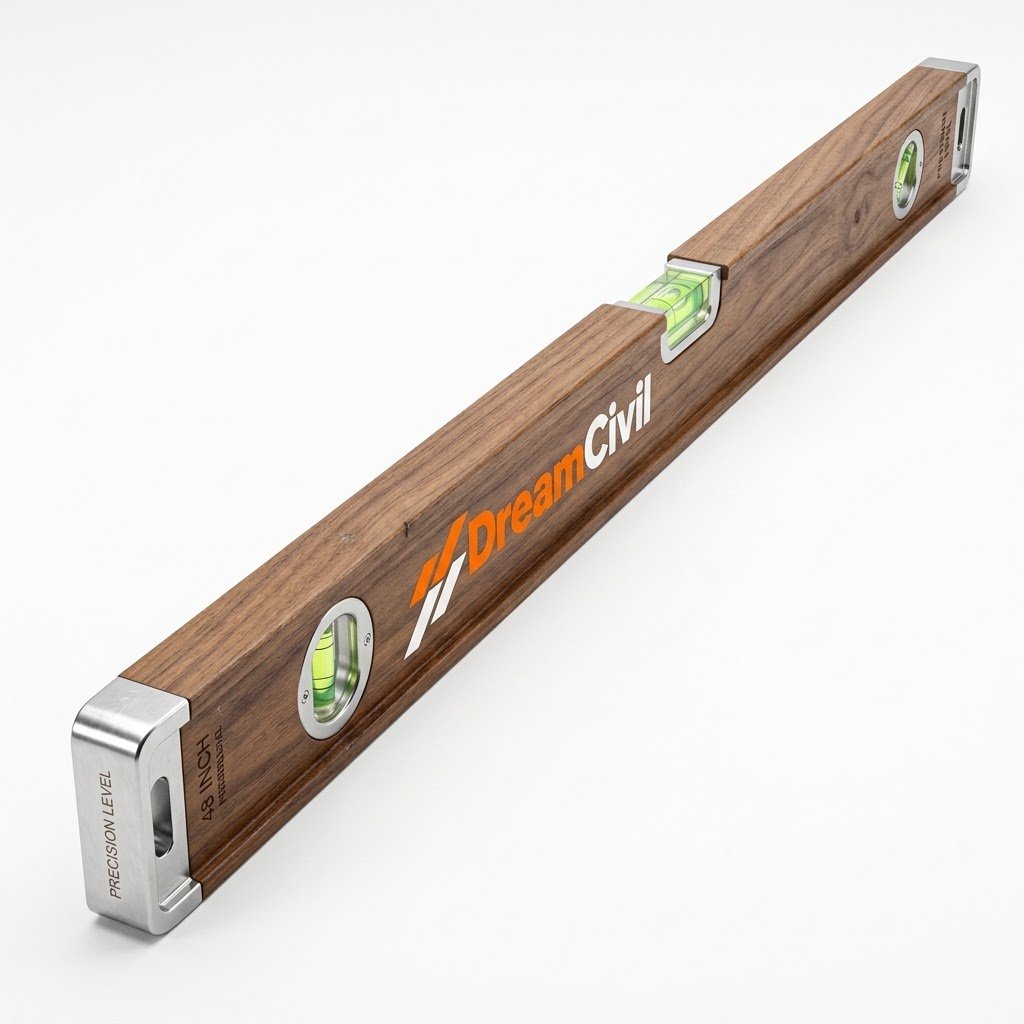 Long Spirit Level | This long spirit level checks the level of longer brick courses and wall sections. |
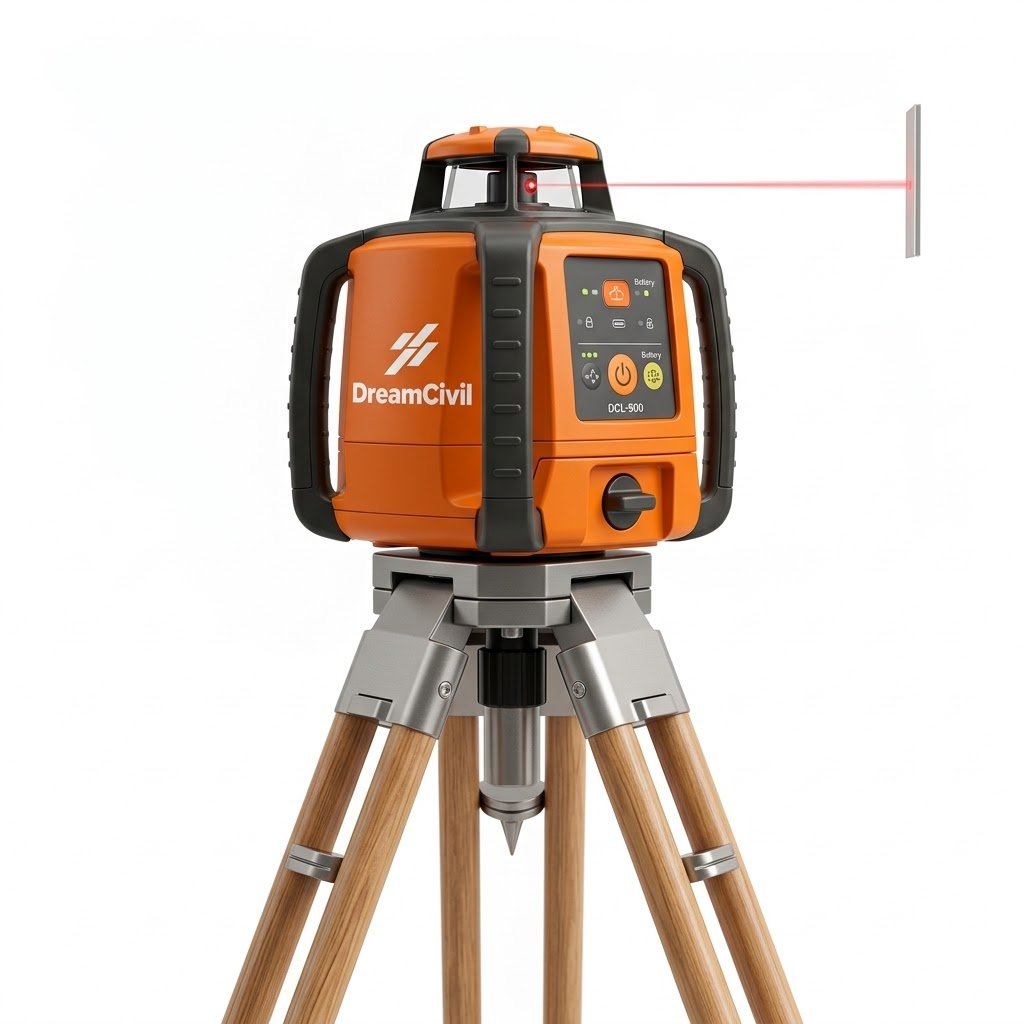 Laser Level | This laser level establishes an accurate horizontal and vertical reference. |
 Chalk Line | This chalk line marks straight reference lines on surfaces. |
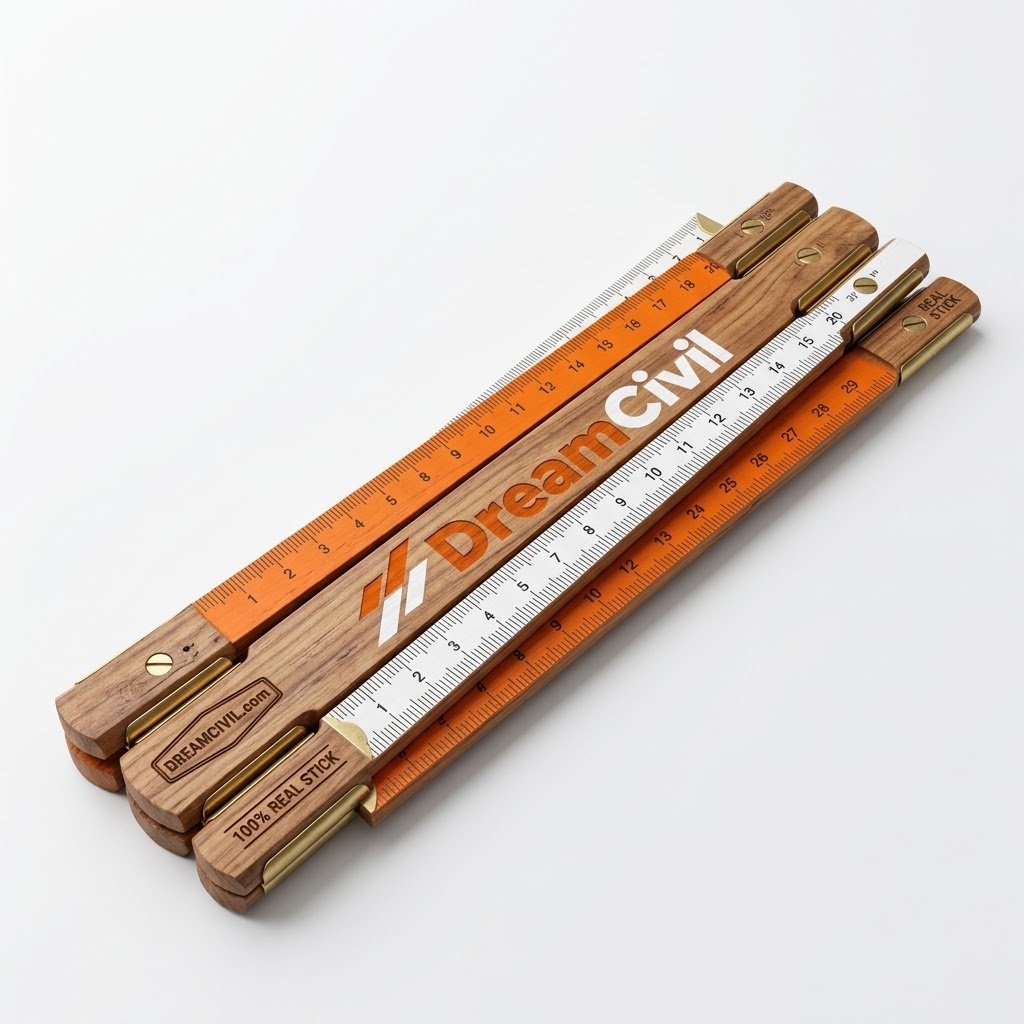 Folding Rule | This folding Rule measures short lengths and brickwork dimensions. |
C. Mortar preparation and handling tools
| Tools name | Main use |
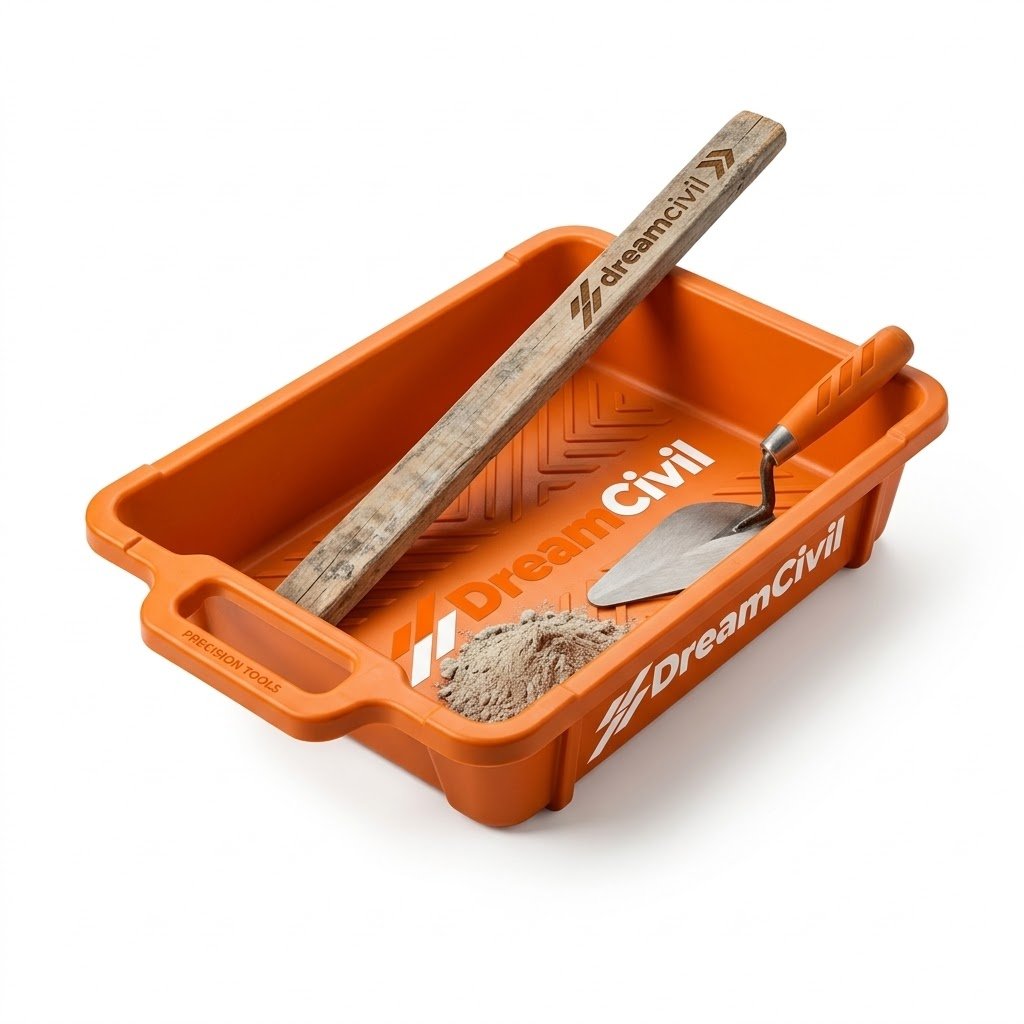 Mortar Mixing Tray | This mortar mixing tray is used for holding and providing a surface for mixing small batches of mortar. |
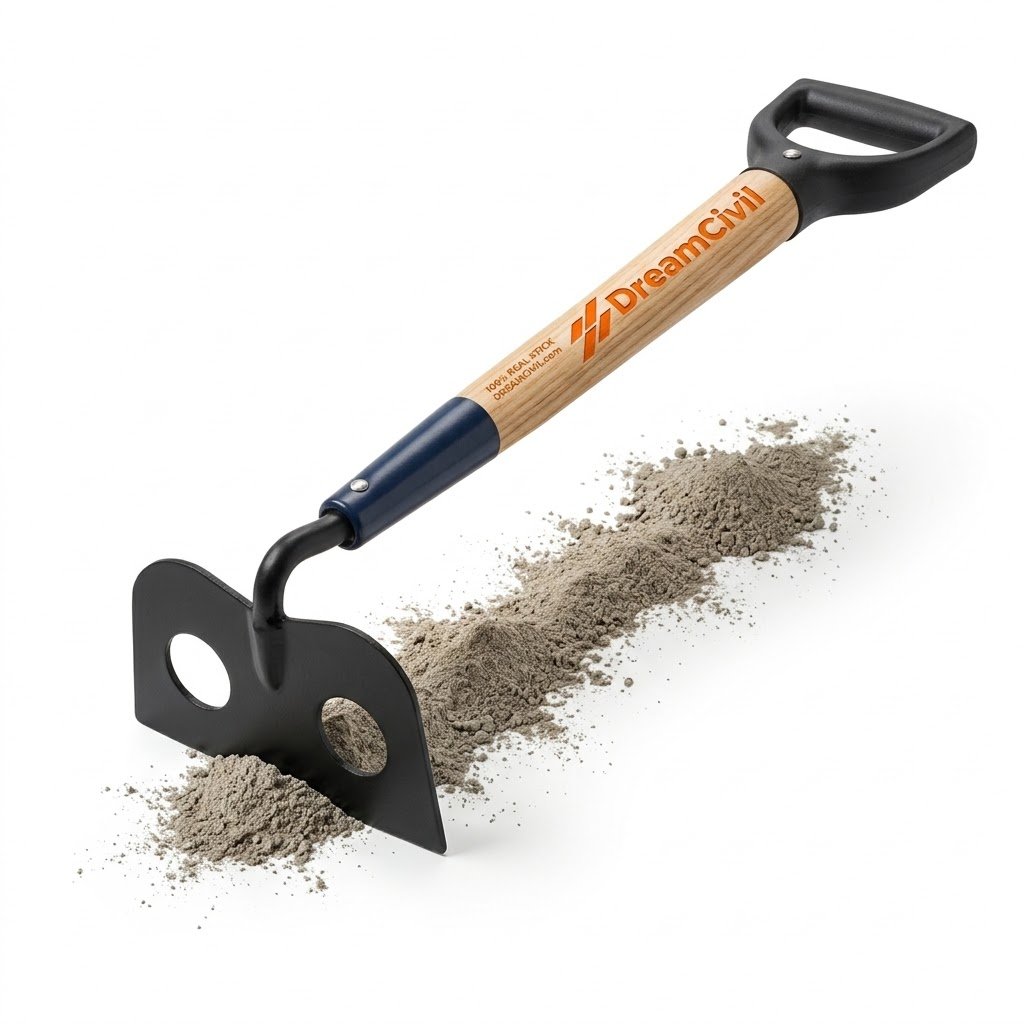 Mortar Hoe | This mortar hoe is used for mixing cement, sand, and water during mortar preparation. |
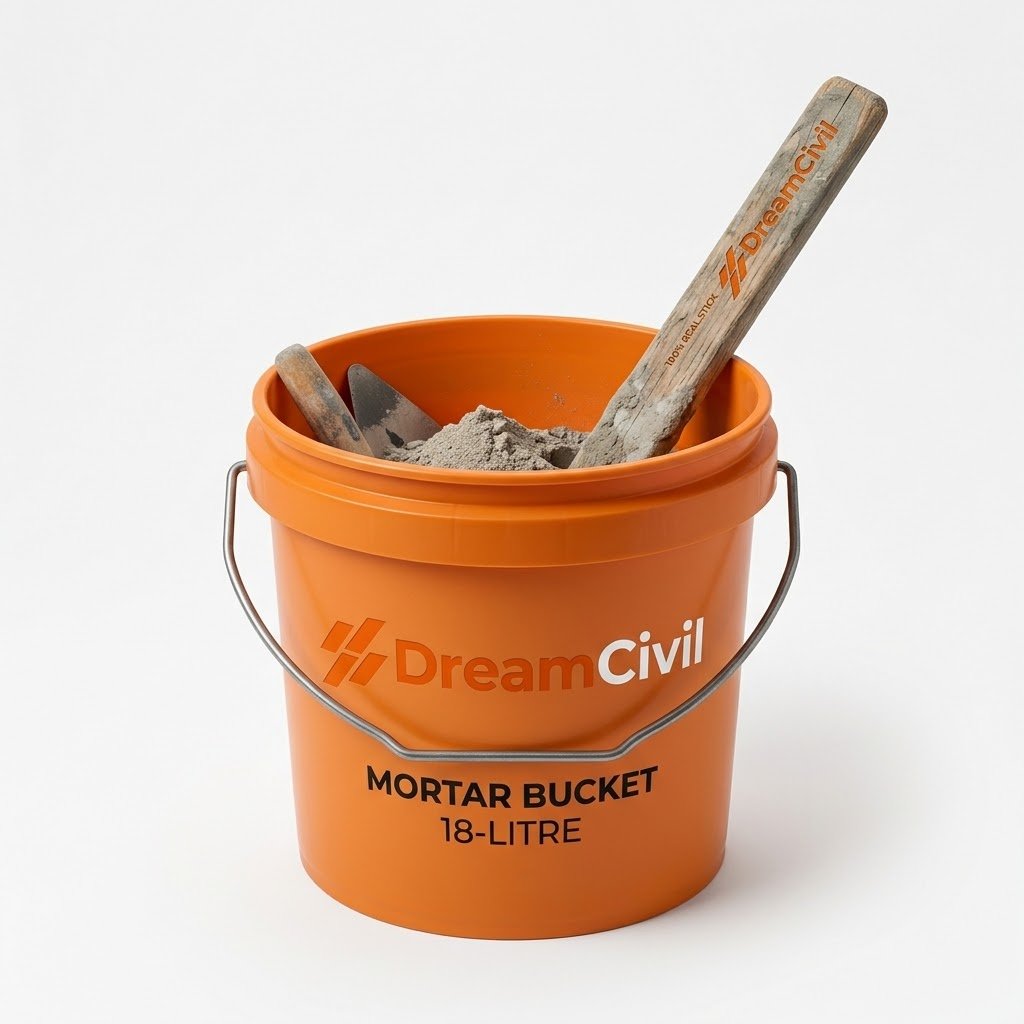 Mortar Bucket | This mortar bucket carries and distributes mortar around the work area. |
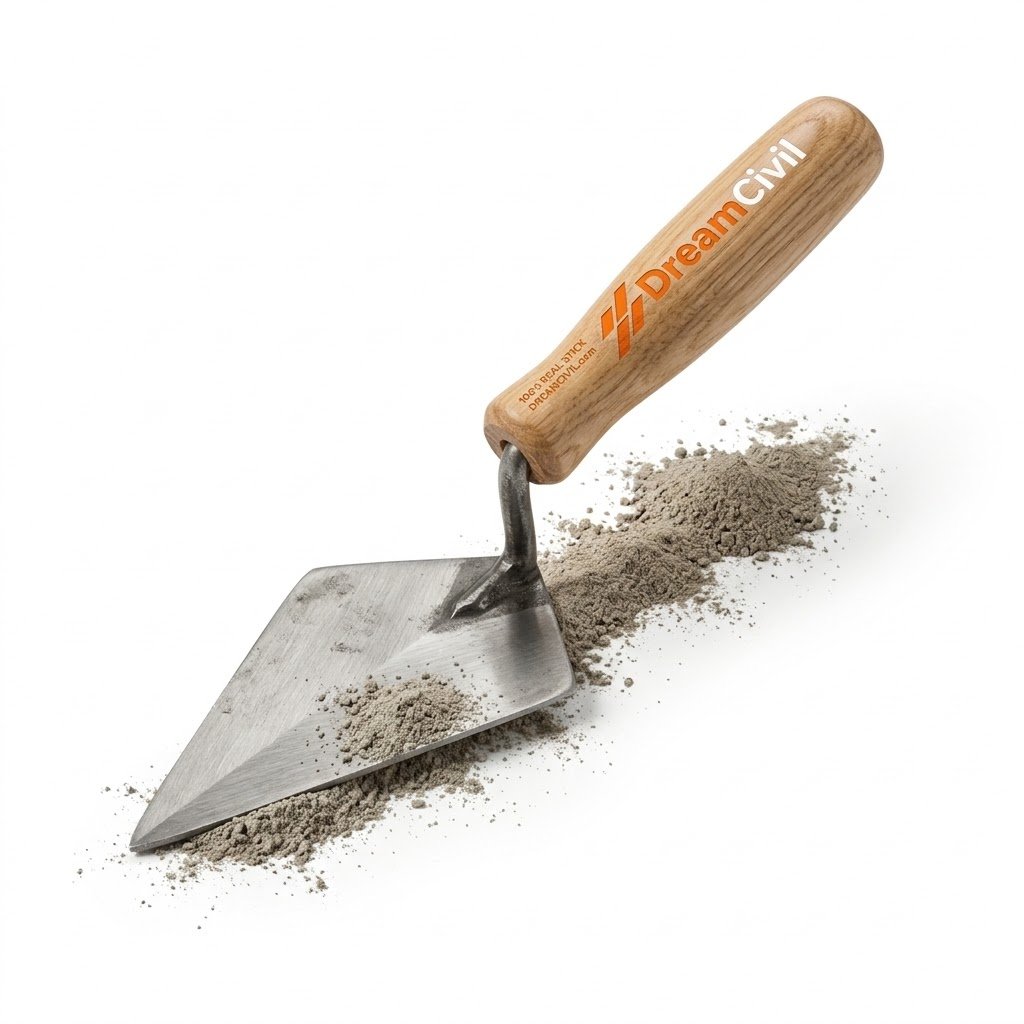 Pointing Trowel | This pointing trowel is used to place mortar in narrow joints and confined areas. |
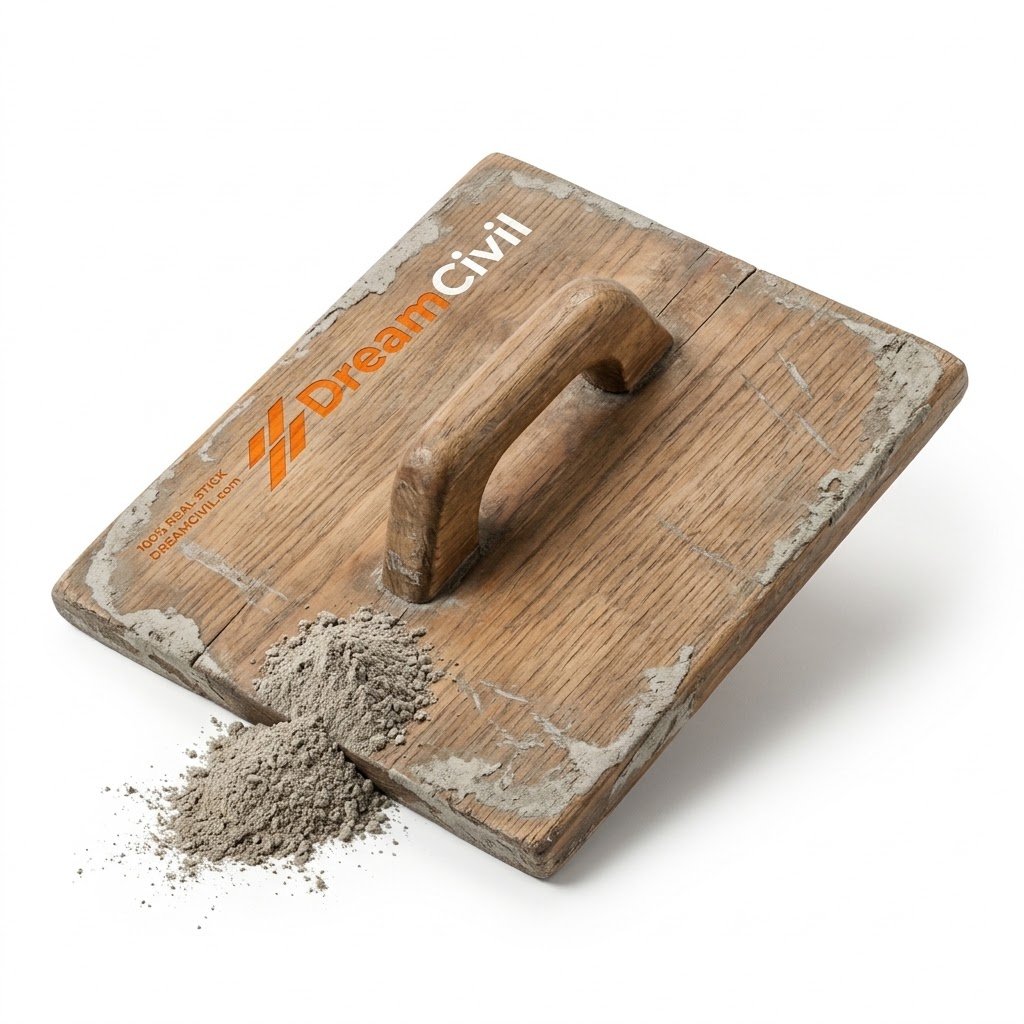 Mortar Board | This mortar board is used for holding small quantities of mortar close to the mason while working. |
D. Brick cutting and joint finishing tools
| Tool Name | Main Use |
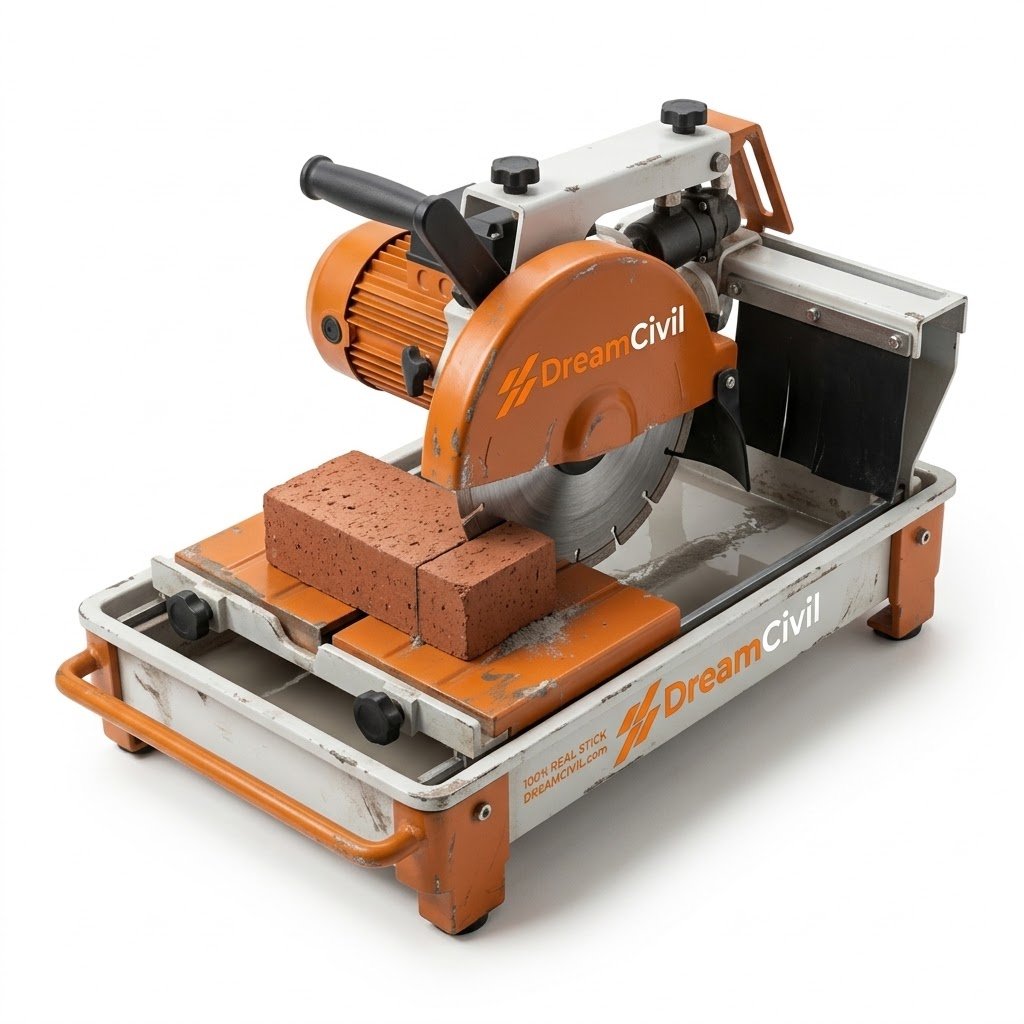 Brick Saw | This brick saw cuts bricks to the required size. |
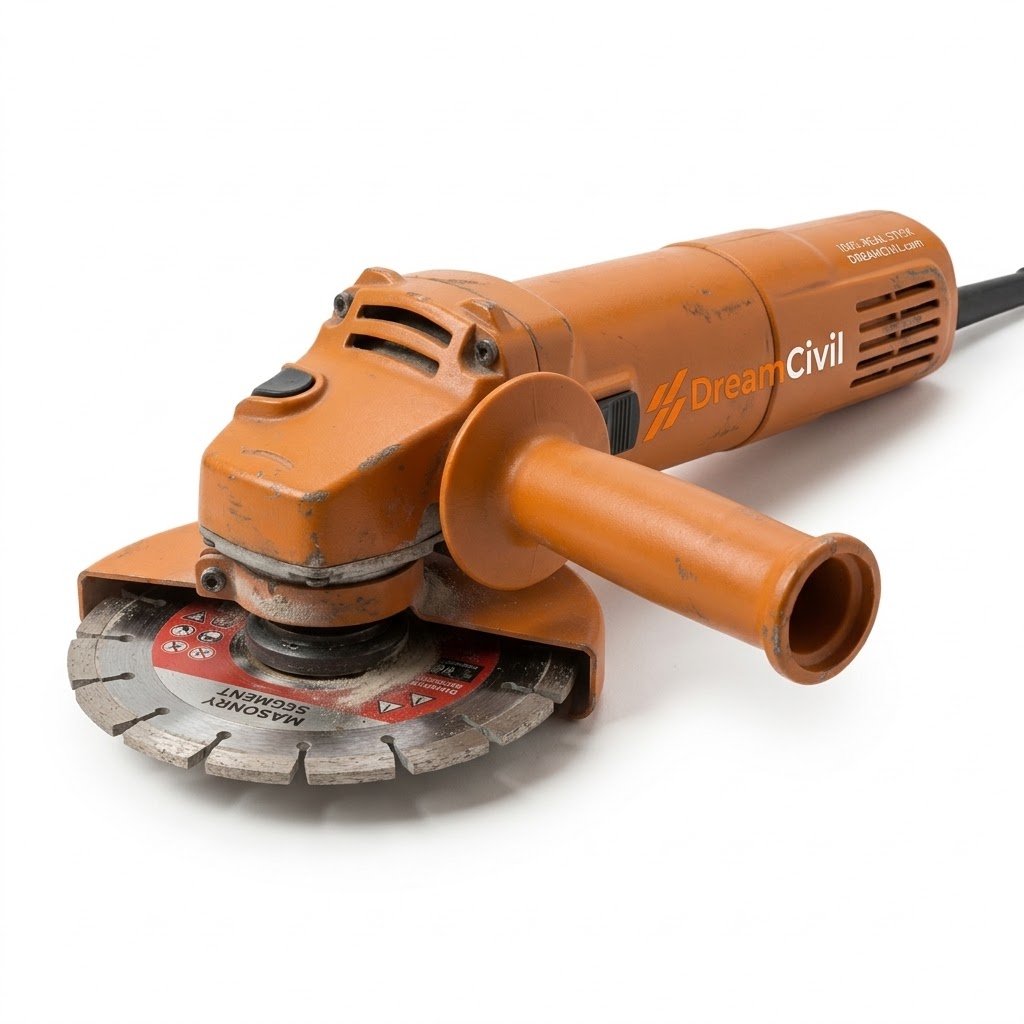 Angle Grinder with masonry blade | This angle grinder with a masonry blade makes accurate cuts in bricks and masonry; it requires suitable dust control. |
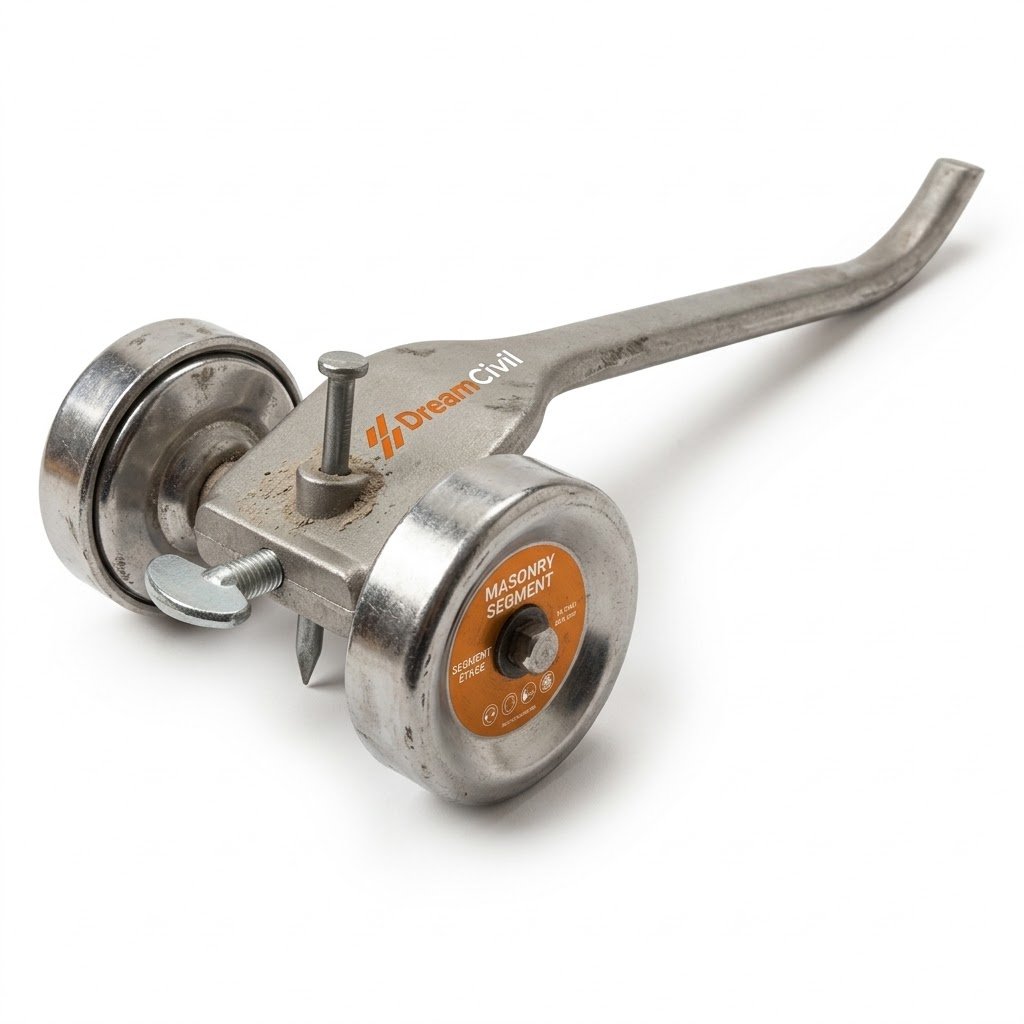 Joint Raker | This tool removes mortar from joints to a specified depth before respointing. |
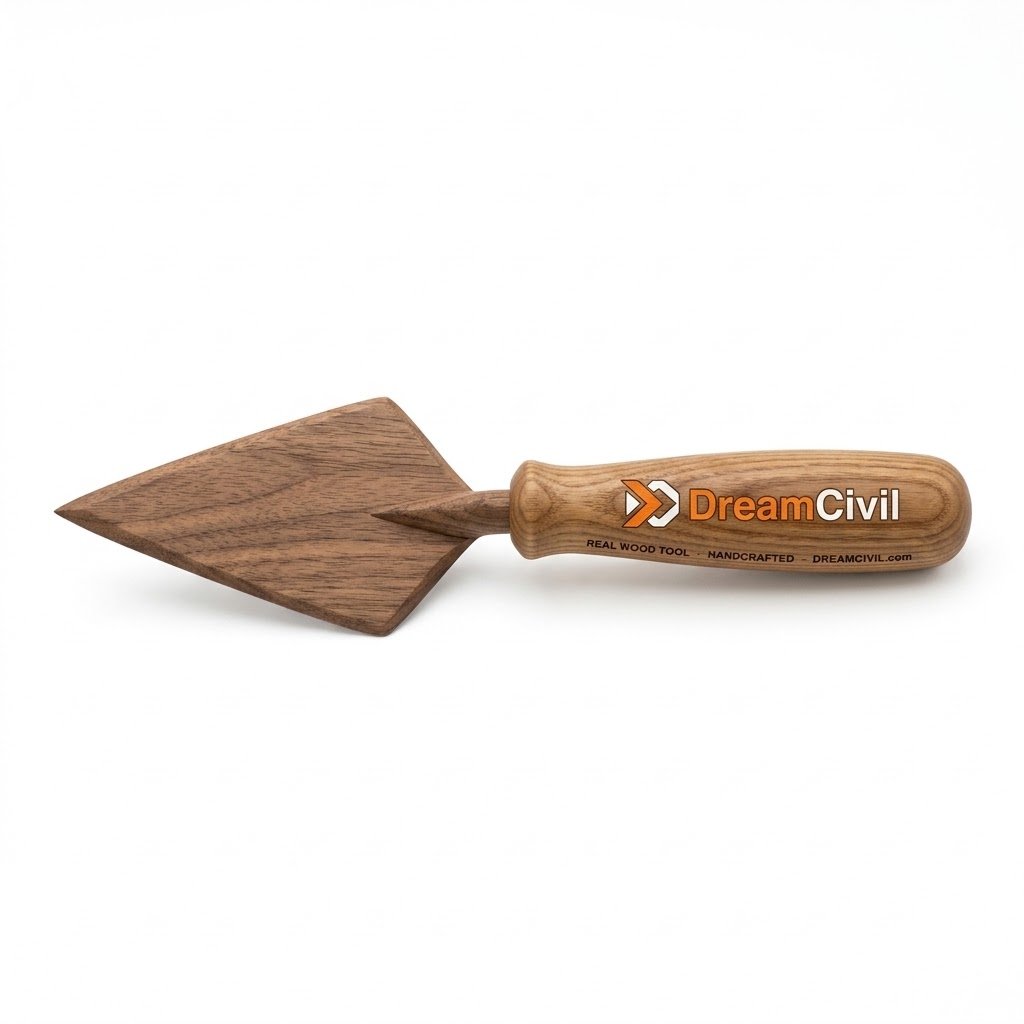 Pointing Tool | This pointing tool packs and finishes mortar in joints. |
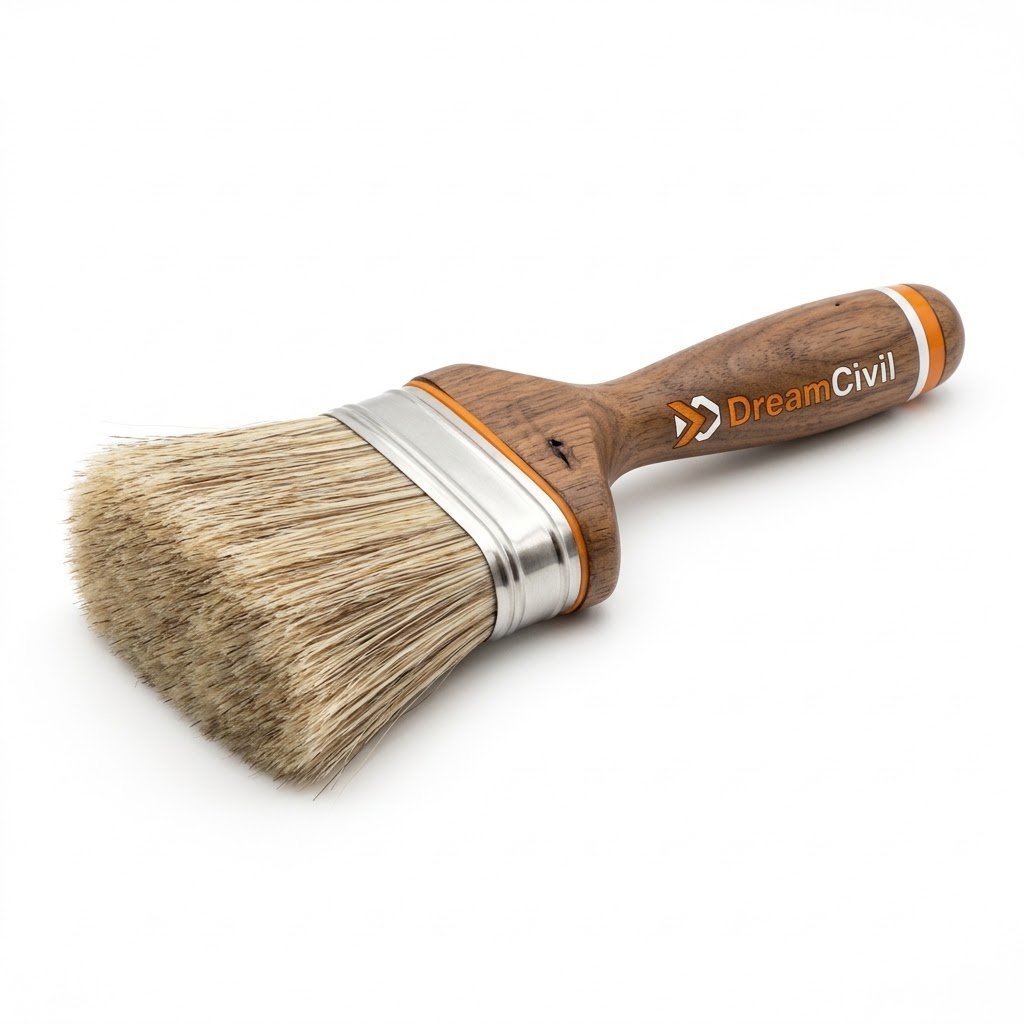 Soft-Bristle Brush | This soft-bristle brush removes loose mortar and dust from brick surfaces. |
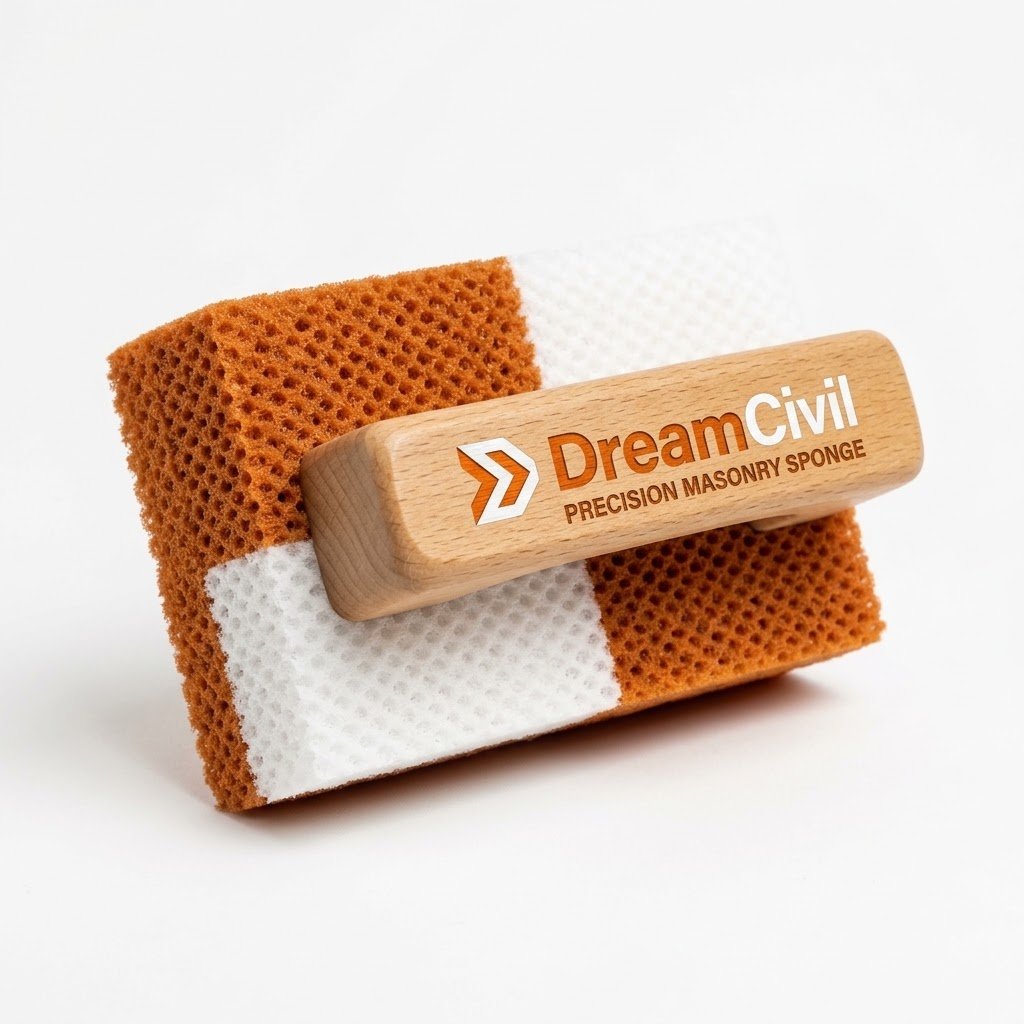 Masonry Sponge | This masonry cleans mortar residue from brickwork when appropropriate. |
E. Safety equipment for bricklaying
| Tool or equipment | Main Use |
 Safety Gloves | These safety gloves are used to protect hands from abrasion and contact with cement. |
 Safety Goggle | These safety goggles protect eyes from flying chips, splashes, and dust. |
 Dust Respirator | This dust respirator reduces exposure to hazardous masonry dust when correctly selected and fitted. |
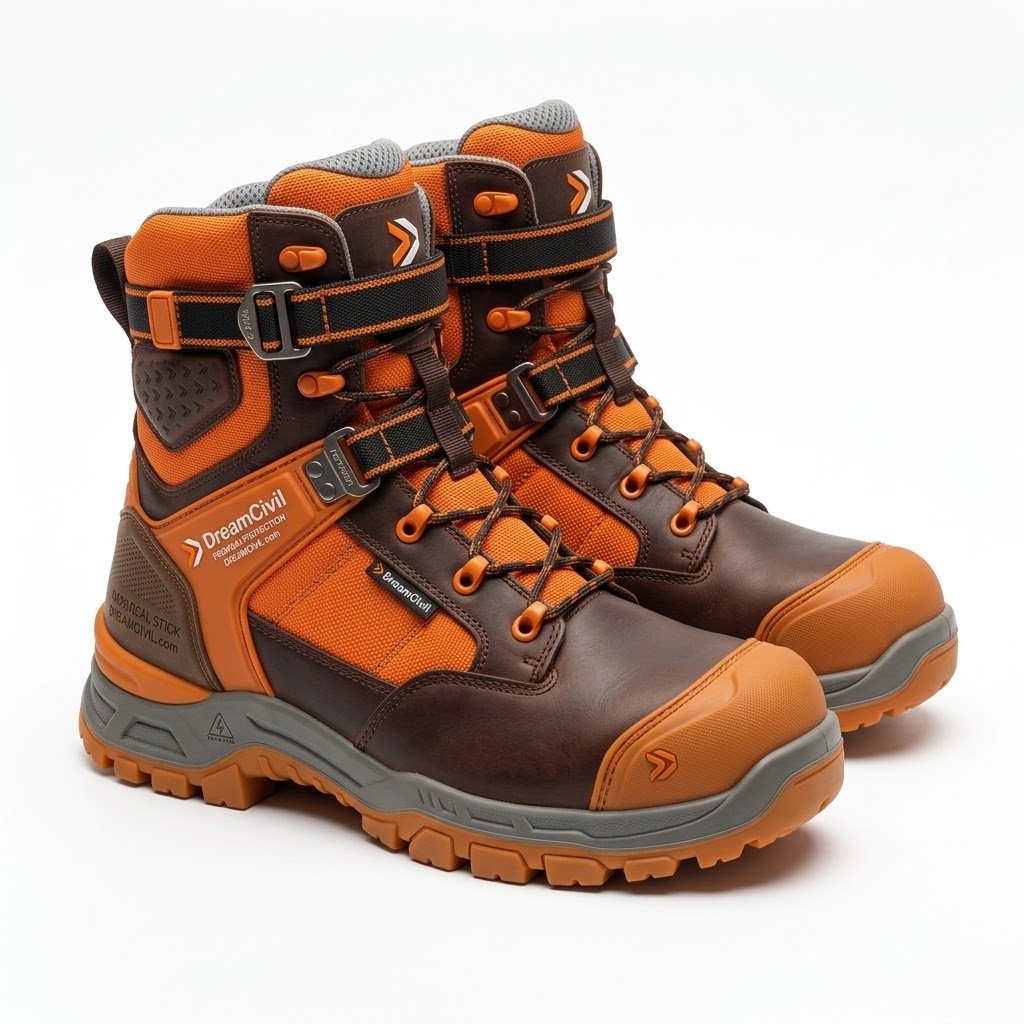 Safety Boots | These safety boots protect feet from falling bricks and heavy materials. |
#A. Essential Bricklaying Tools Explained
1. Brick Trowel
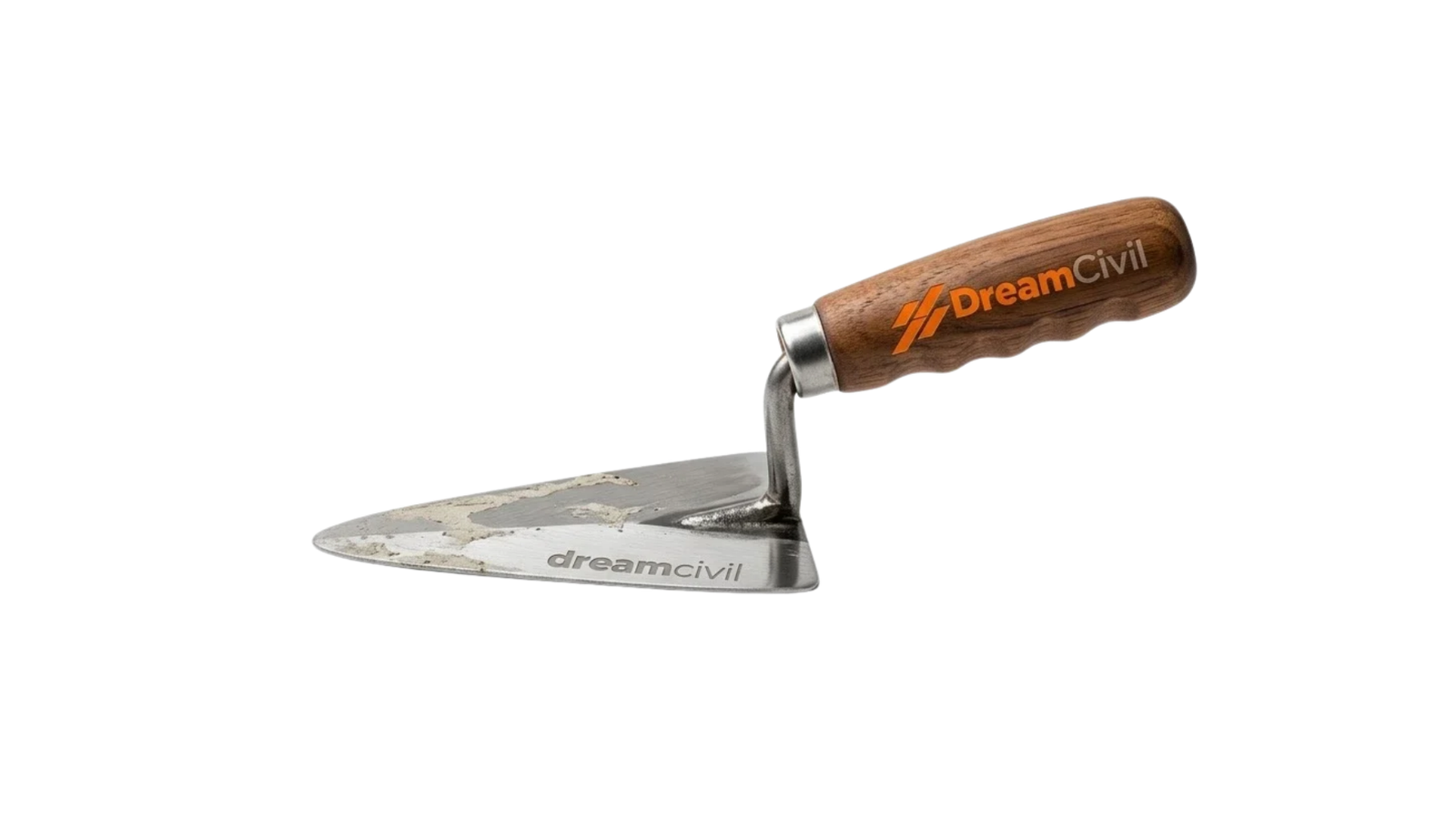
A brick trowel is a hand-held masonry tool. This brick trowel is useful for spreading and handling mortar and helps position bricks during masonry work.
2. Spirit level
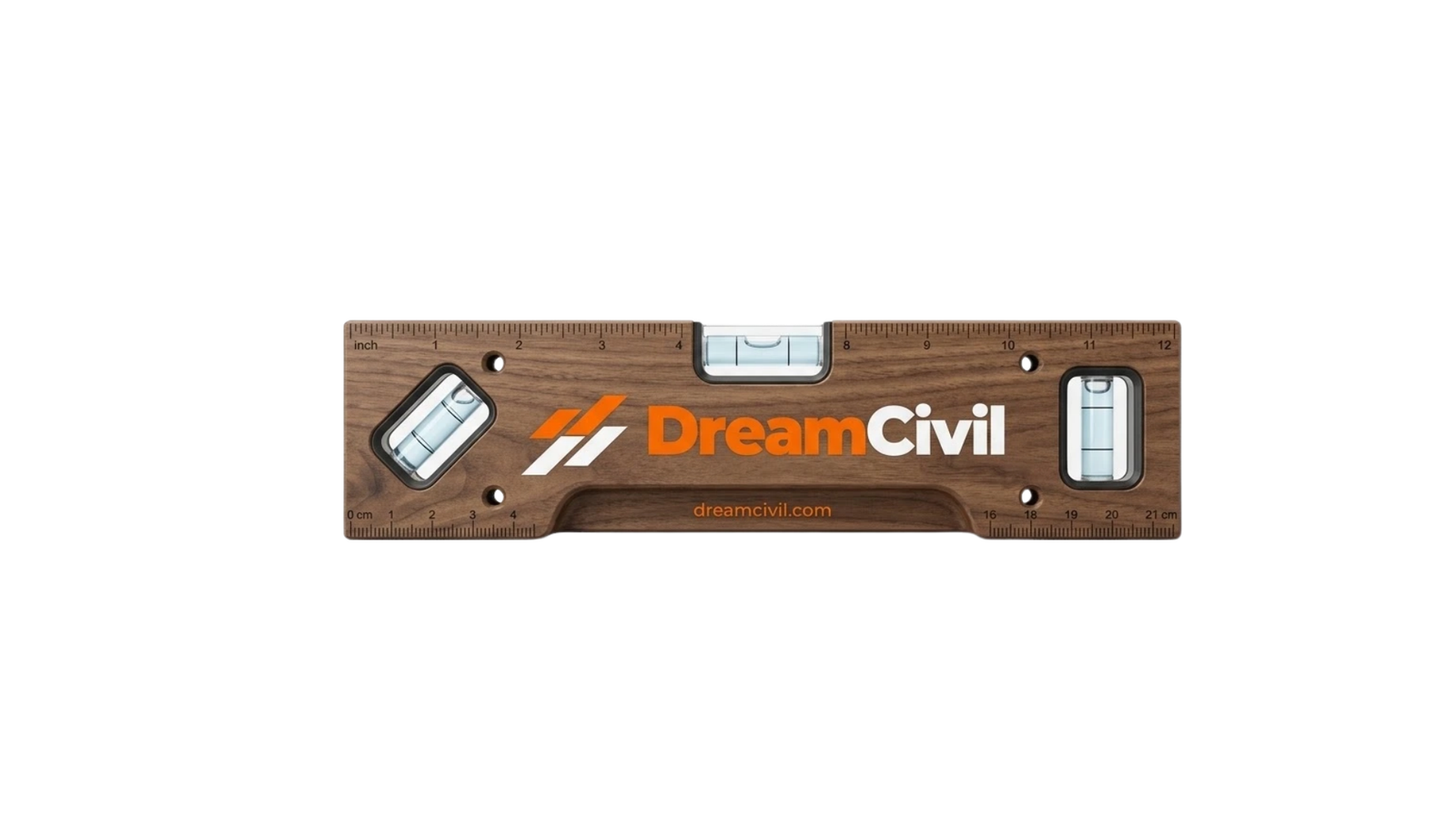
This tool is useful for checking whether brick courses are horizontal and surfaces are level. Its common types are tubular/ linear levels, bull’s-eye (Circular) levels, and torpedo levels.
3. Plumb Bob
This is best tool for checking the vertical alignment of brick walls and corners. for checking verticality masons and carpenters use it to verify that walls, posts, columns, and door frames are straight and upright.
4. Measuring Tape
This tape gives more accurate results. It is better than a plumb bob. This tape measures wall dimensions, openings, and distances.
5. Brick Bolster chisel
This tool helps to cut or split stuck bricks with a suitable hammer.
6. Brick Jointer
This tool shapes and finishes mortar joints to improve appearance and weather resistance.
#B. Measuring and alignment tools
1. Mason’s Square
The main use is to check right angles at corners and masonry layouts.
2. Straightedge
This tool is use for checks the flatness and straightness of brickwork.
3. Long spirit level
This tool is use for checks the level of longer brick courses and wall sections.
4. Laser Level
This laser level establishes an accurate horizontal and vertical reference. A laser level is an electronic layout and alignment tool that projects a bright red or green line, dot, or 360-degree plane onto a surface to establish true horizontal and vertical.
5. Chalk line
A chalk line is also called a chalk box or chalk red is a tool used to mark long, straight lines across flat or irregular surfaces where a traditional straightedge or ruler is too short or impractical.
6. Folding Rule
This 6-foot folding rule, also known as a zigzag rule, carpenter’s rule, or mason’s rule, is a rigid, multi-section measuring tool that folds down compactly for easy carrying.
#C. Mortar preparation and handling tools
1. Mortar Mixing tray
A mortar mixing tray also known as cement mixing tray, tub, or spot board is a shallow, heavy-duty container used to mix wet masonry materials like cement, sand, water, lime, plaster, or concrete by using hand. This mortar mixing tray is used for holding and providing a surface for mixing small batches of mortar.
2. Mortar Hoe
A mortar hoe is a heavy-duty hand tool with a perforated blade designed to manually mix mortar, concrete, plaster, and stucco in a wheelbarrow, mortar box, or pan. This mortar hoe is used for mixing cement, sand, and water during mortar preparation.
3. Mortar Bucket
A mortar bucket or mason tub/mixing bin is a heavy-duty container used on construction sites, gardens, and farms to mix, transport, and store building materials like mortar, cement, plaster, and tile adhesive. This mortar bucket carries and distributes mortar around the work area.
4. Pointing Trowel
A pointing trowel is a small, triangular -shaped masonry hand tool used to push, pack, and shape mortar in tight gaps, corners, and detailed joints where a standard brick trowel cannot reach. This pointing trowel is used to place mortar in narrow joints and confined areas.
5. Mortar Board
This mortar board is used for holding small quantities of mortar close to the mason while working.
#D. Brick cutting and joint finishing tools
1. Brick Saw
A brick saw is a heavy-duty cutting tool designed to make clean, straight, and precise cuts through hard building materials like clay bricks, concrete blocks, pavers, and stone. This brick saw cuts bricks to the required size.
2. Angle Grinder with masonry blade
An angle grinder paired with a masonry blade is a versatile tool for cutting and shaping hard materials like brick, concrete, stone, and tile. This angle grinder with a masonry blade makes accurate cuts in bricks and masonry; it requires suitable dust control.
3. Joint Raker
This tool removes mortar from joints to a specified depth before respointing.
4. Pointing Tool
This pointing tool packs and finishes mortar in joints.
5. Soft-Bristle Brush
This soft-bristle brush removes loose mortar and dust from brick surfaces.
6. Masonry Sponge
This masonry sponge cleans mortar residue from brickwork when appropriate.
#E. Safety equipment for bricklaying
1. Safety Gloves
These safety gloves are used to protect hands from abrasion and contact with cement.
2. Safety Goggle
These safety goggles protect eyes from flying chips, splashes, and dust.
3. Dust Respirator
This dust respirator reduces exposure to hazardous masonry dust when correctly selected and fitted.
4. Safety Boots
These safety boots protect feet from falling bricks and heavy materials.
#Some extra tools pictures & Uses
| Tools Pictures | Uses |
 Margin Trowel |
|
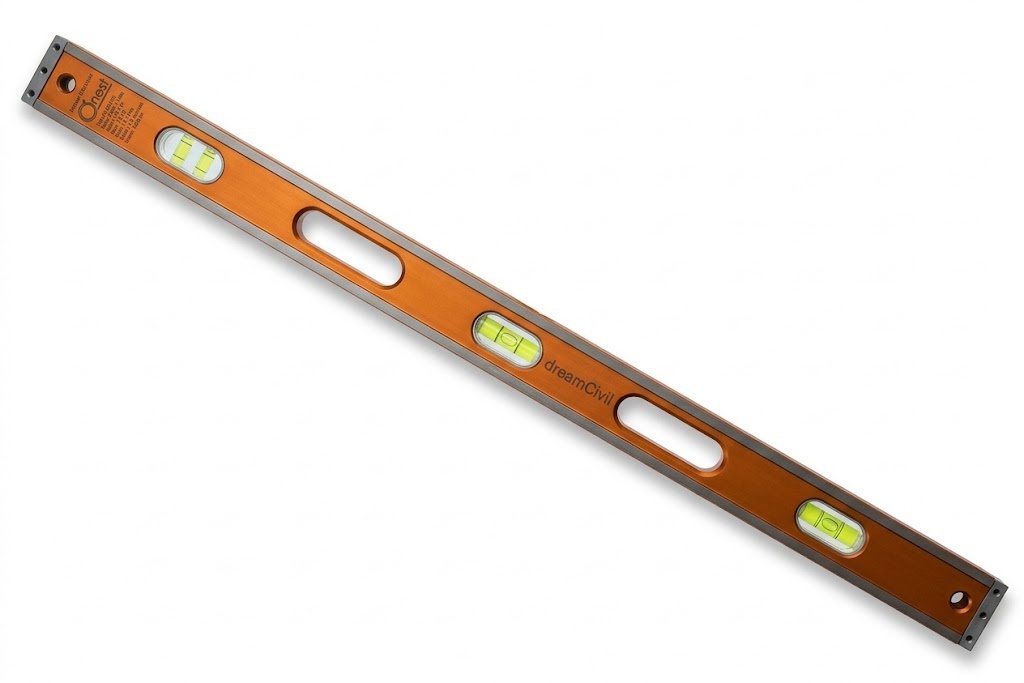 Level | This level helps to ensure straightness and alignment. Any bricklayer’s toolkit is incomplete without a trusty level by their side. |
 Brick Hammer |
|
 Jointer |
|
 Slurry tub |
|
 Line and Pins |
|
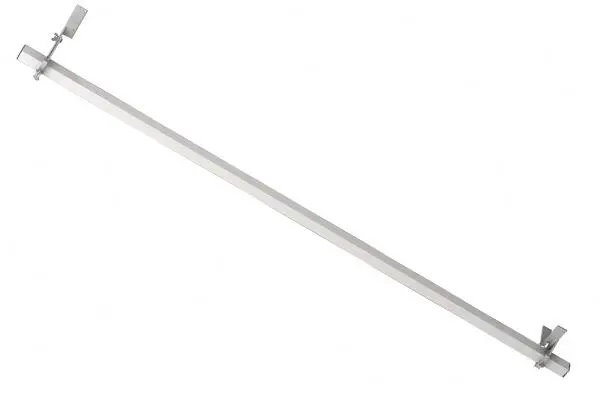 Story Pole |
|
#. Bricklaying Tools list
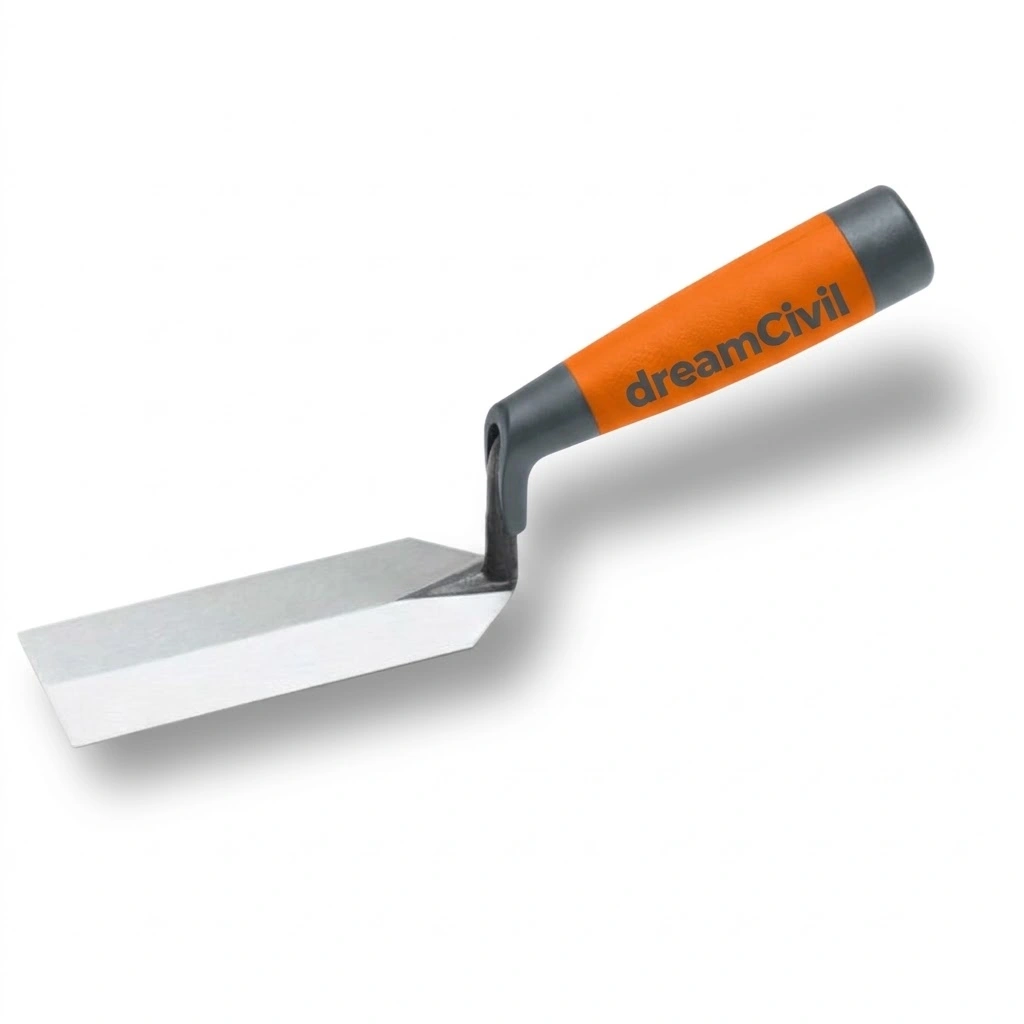
1. Margin Trowel
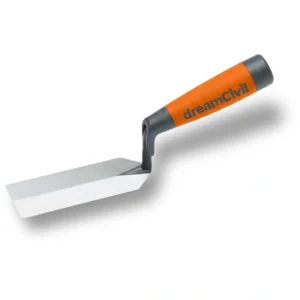
This margin trowel is a trusted companion for spreading and shaping mortar with precision.
The best feature of this tool is a rectangular-shaped blade, typically measuring around 5 to 6 inches in length and 2 inches in width. It ensures smooth mortar application.
This type of design allows for precise control when spreading mortar and laying bricks, it enabling masons to achieve accurate placements and consistent joint thickness.
2. Level
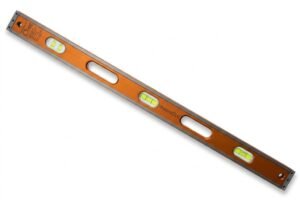
This level helps to ensure straightness and alignment. Any bricklayer’s toolkit is incomplete without a trusty level by their side.
If you place the level across multiple bricks, you can see any high or low spots, ensuring the surface of the brickwork is even and uniform.
It has multiple functions: ensuring horizontal alignment, crucial for maintaining structural integrity and aesthetic appeal; vertical plumbness, ensuring walls or structures are straight and true without leaning or tilting.1
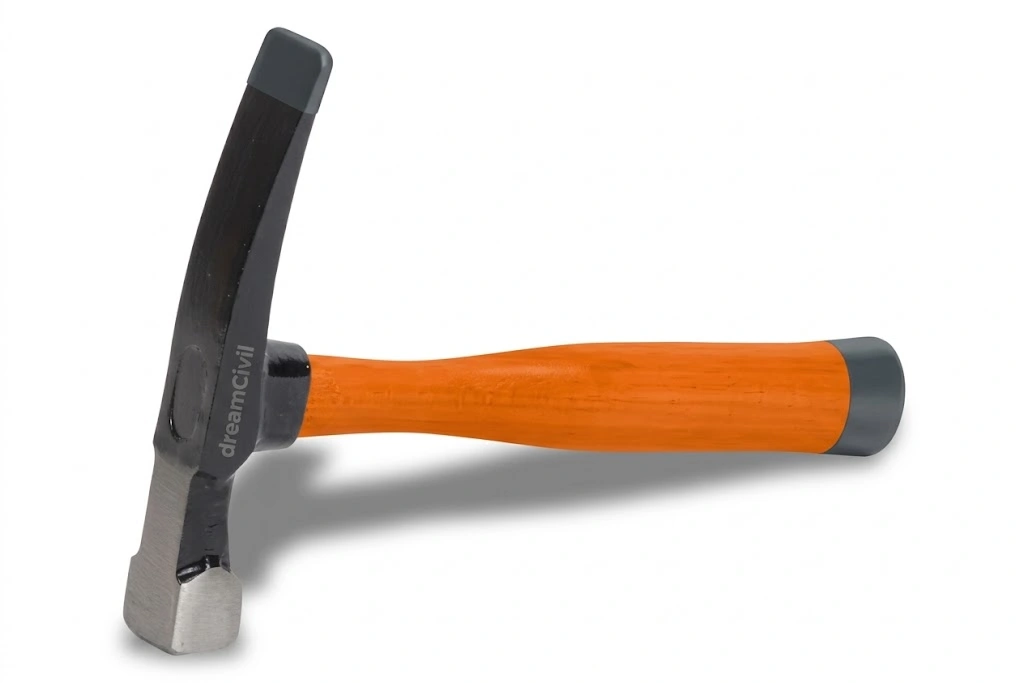
3. Brick hammer
This brick hammer helps to shape bricks with ease. This hammer, also known as a mason’s hammer, the brick hammer is a tool for cutting and shaping bricks or stones.
It allows you to sculpt bricks to fit precisely; each of the strike chips away excess material or splits them along a scored line. This hammer is indispensable for precision work.2
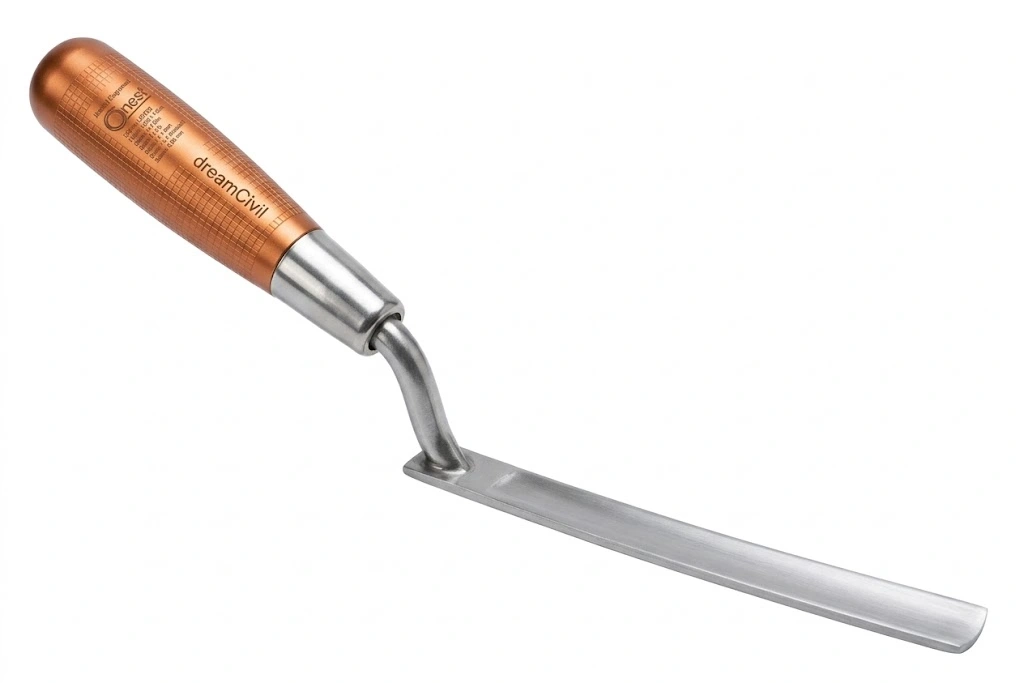
4. Jointer
The Jointer helps to finishing touches for clean joints. This is a very useful tool; don’t underestimate this humble jointer.
This jointer is essential for creating clean and uniform joints between bricks or stones, and adding the finishing touches to your brickwork.
After you lay bricks or stones, the mortar is typically applied between them to fill gaps and create a solid bond. Jointer trowels come in various shapes and sizes; they allow masons to create different joint profiles.
The types are concave, convex, V-shaped, and flush joints, each tool serving specific purposes in terms of water resistance, strength, or visual appeal.3
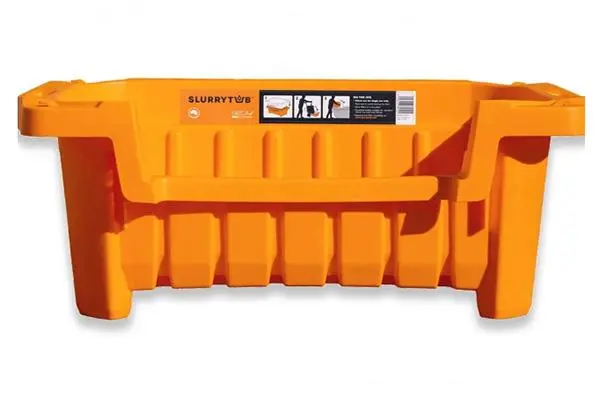
5. Slurry Tub
This cleanup helps with environmental waste disposal. This tool is very important and useful; at the end of the day, the cleaning gear is the slurry tub. This tub is used for one-time use.
This tub has a biodegradable filter that is placed into the tub and secured by attaching the 4 holes to the cleats.
It is a suitable heavy-duty, recyclable polypropylene tub, designed to drain quickly, and it has fitted drain plugs with threaded holes, and it is suitable for standard 20mm tap and hose fittings.
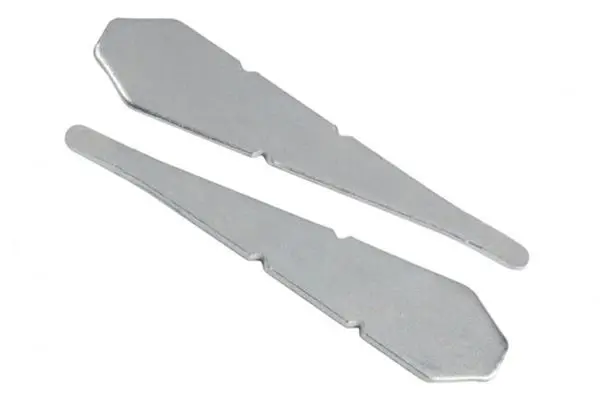
6. Line and Pins
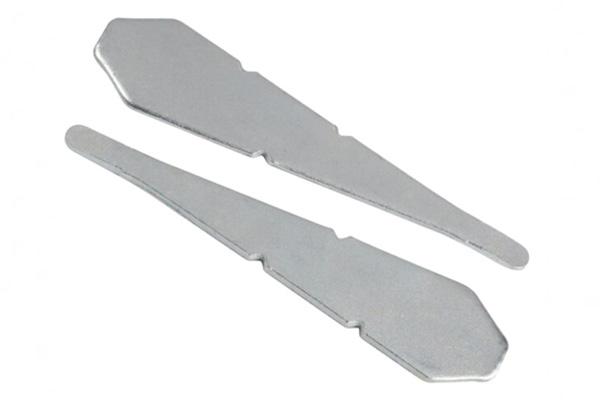
This is used for guiding lights for straight courses. The line pins come in twigs, and the blocks are indispensable for ensuring straight and level courses of bricks or blocks.
It provides a reliable reference point for accuracy and precision. The line pins are typically made of durable steel or aluminum, and anchor the mason’s line at each end of the wall, ensuring it remains taut and straight.
7. Story Pole
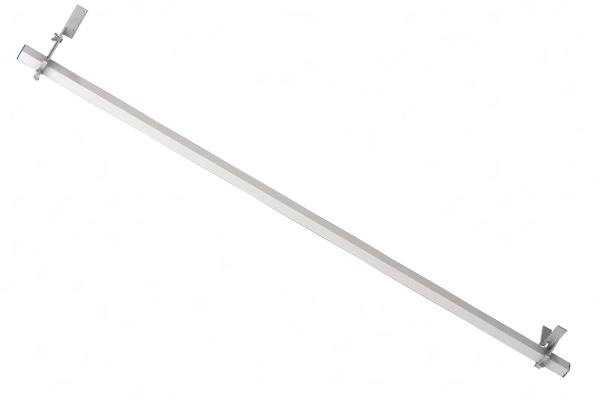
This story pole ensures consistency in height and layout. A story pole is a long, straight piece of wood or metal marked with measurements and reference points; you have to ensure consistent course heights and layout in bricklaying projects.
Before laying the bricks or blocks, masons use a story pole to plan the wall layout and determine the placement of key features such as windows and doors.
Throughout the construction, the story pole aids in checking for levelness and plumbness, providing a consistent reference point for laying the courses of bricks or blocks.
Frequently Asked Questions (FAQs)
1. Why are gloves mandatory for bricklaying?
The wet mortar contains Portland cement, which is highly alkaline. Some direct contact with skin can cause chemical cement burns, severe irritation, and extreme dryness.
2. How to clean mortar off tools?
First, wash them immediately with clean water and a stiff brush before the mortar dries. If the mortar is getting harder, you need to gently tap it off with a hammer or use a diluted acid cleaner. Use steel wool to wipe tools down with a light coat of oil to prevent rust.
3. Why do you need a specific mason’s level instead of a standard spirit level?
Mason’s levels are typically made of heavy-duty materials like solid wood or aluminum with tough protective edges to withstand regular impacts from trowels, heavy scraping, and wet mortar without losing calibration.
4. Can I use a regular hammer?
No, you have to use standard hammers will chip or shatter when hitting hardened steel brick chisels.
5. How thick is a standard joint?
Almost 10 millimeters (approx. 3/8 inch) is the universal standard for mortar joints.
| Written By | Er. Aneel Kunwar |
| Role | Site Engineer at A n B Engineering Consultancy |
| Experience | 5+ years of practical construction experience |
| Technically reviewed by | Er. Bikas Kafle |